 how-to
How to Manage Small Home Repairs Without Overspending
Last Updated: November 2, 2026
Quick Summary
To manage small home repairs without overspending, log every problem with its date, rank the list by safety risk, damage progression, cost of delay and effort, and fix the highest scorers first. Do simple jobs yourself, call a licensed professional for gas, electrical or structural problems, and budget a contingency for each repair.
- Keep one running list of every repair, with the location and the date you first saw it.
- Score each repair from 1 to 3 on safety, damage progression, cost of delay and effort.
- Fix anything scoring 10 to 12 this week, and batch the lowest-scoring cosmetic items together.
- Do simple jobs like flappers, washers and patching yourself, and call a pro for gas or electrical problems.
- Add a 10 to 20 percent contingency to every project estimate and track real spending for six months.
Table of Contents
- Why Small Home Repairs Deserve a System
- How to Prioritize Home Repairs Before You Start
- Easy Home Repairs You Can Do Yourself
- Common Home Repairs That Require Professional Help
- Basic Home Repair Tools and a Starter Supply Checklist
- Budgeting for Routine Repairs and Maintenance
- Booking Your Next Repair With Reliable Repair ATL LLC
- Frequently Asked Questions
Small home repairs add up fast. A running toilet, a sticky door, and a patch of wall damage can each seem minor, but together they can drain your budget. This guide shows you how to handle small home repairs without overspending. You will learn how to sort problems, which fixes you can handle yourself, and when to call a professional.
Why Small Home Repairs Deserve a System
Small home repairs rarely feel urgent until they become expensive. A slow drip becomes water damage. A loose hinge becomes a broken door frame. A system keeps these tasks from piling up and catching you off guard.
Start by writing down every repair you notice for one week. Include the location, the problem, and the date you first saw it.
- Keep one running list in your phone or on paper
- Note the date each problem started
- Mark anything that gets worse over time
How to Prioritize Home Repairs Before You Start
Not every repair needs attention today, but the order you tackle them in matters more than most guides admit. A triage system turns a messy list into a ranked queue so you spend money where it prevents the most damage. Use the four-factor score below on every item you logged during your first week of note-taking.
The Four-Factor Triage Score
Rate each repair from 1 to 3 on four factors, then add the scores. Higher totals move to the top of the queue.
- Safety risk (1-3). A 3 means the problem can injure someone today, gas odor, sparking outlet, loose handrail on stairs, water pooling near an electrical panel. A 2 means a trip or cut hazard. A 1 means cosmetic only.
- Damage progression (1-3). A 3 means the problem is actively destroying material, an active leak, moisture staining that grows weekly, a roof drip. A 2 means it will worsen within a season. A 1 means it is stable.
- Cost of delay (1-3). A 3 means waiting converts a small fix into a major one (a $15 toilet flapper vs. a water-damaged subfloor). A 2 means the repair cost roughly doubles if ignored for a year. A 1 means the price is flat over time.
- Effort and access (1-3). A 3 means you can finish it in under an hour with tools you own. A 2 means a half-day or a borrowed tool. A 1 means it needs a permit, a licensed trade, or a helper.
Add the four scores. Anything scoring 10-12 is a this-week fix. A 7-9 goes on the next-month list. A 4-6 can wait for a seasonal batch. This keeps you from repainting a hallway while a supply line drips into the ceiling below.
Urgency Tiers in Plain Terms
- Tier 1, Stop-the-bleeding (fix within 24-72 hours): active water leaks, gas smells, burning odors at outlets, sewage backups, anything touching electricity and water at once. Shut off the water or power at the breaker or valve first, then call a licensed trade.
- Tier 2, This month: running toilets, slow drains that have not backed up, a door that will not latch, a cracked window pane, a dryer vent that is clogged with lint.
- Tier 3, This season: patching nail holes, touching up paint, tightening cabinet hardware, replacing a worn HVAC filter, caulking a tub surround.
Decision Rules for the Gray Areas
Some repairs do not fit neatly into a tier. Apply these rules:
- If water is involved and you cannot see the source, treat it as Tier 1. Hidden moisture behind drywall or under a floor is the most common path from a small repair to a five-figure one.
- If the repair touches the electrical panel, gas line, or load-bearing structure, it is not a DIY job regardless of score. Those are permit-and-licensed-trade items in most jurisdictions.
- If two items tie, fix the cheaper one first only when it also stops damage progression. Otherwise fix the higher damage-progression item, a $40 flapper beats a $200 paint touch-up every time.
A Worked Example
Suppose your list has a running toilet, a scuffed hallway wall, and a slow drip under the kitchen sink. The toilet scores 2 (safety) + 2 (progression) + 3 (cost of delay) + 3 (effort) = 10. The wall scuff scores 1 + 1 + 1 + 3 = 6. The sink drip scores 1 + 3 + 3 + 2 = 9.
Easy Home Repairs You Can Do Yourself
Many common problems need only basic skills and a few inexpensive supplies. Start with these beginner-friendly jobs. Always turn off the water or power before you begin any work near it.
Leaky Faucets and Running Toilets
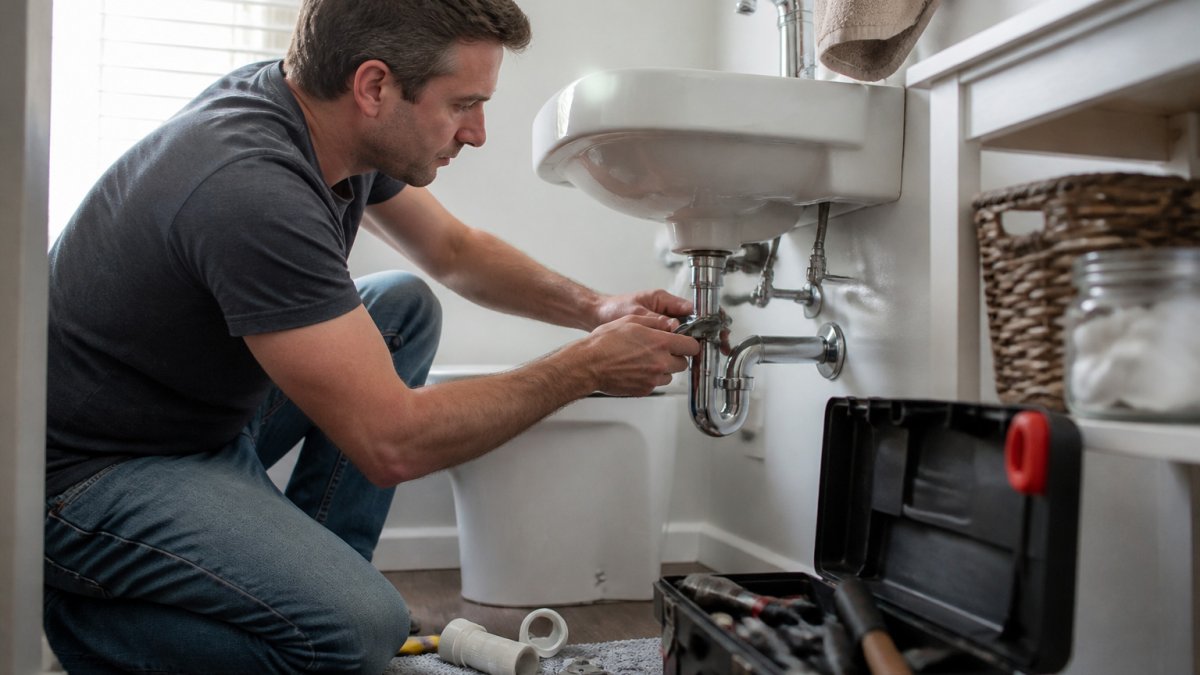
A dripping faucet usually means a worn washer or cartridge (the EPA). Turn off the water supply under the sink, then replace the part.
A running toilet often has a worn flapper. The flapper is the rubber seal at the bottom of the tank.
To clear a slow drain, try a plunger first. If that fails, use a drain snake before reaching for harsh chemicals.
Patching Drywall, Touching Up Paint, and Tightening Hardware
Small holes in drywall are easy to patch. Use a spackle compound, let it dry, sand it smooth, and paint over it.
Keep leftover paint for touch-ups. Matching the sheen matters as much as matching the color, so label each can with the room and finish.
Loose door hinges and handles often need only a tighter screw.
The table below sums up the beginner-friendly fixes covered above, with the part or method to use for each.
| Problem | Fix | Key note |
|---|---|---|
| Leaky faucet | Replace worn washer or cartridge | Turn off water supply first |
| Running toilet | Replace worn flapper | Match the flapper to your toilet model |
| Slow drain | Plunger, then drain snake | Try tools before harsh chemicals |
| Small drywall hole | Spackle, sand, paint | Larger holes need a patch kit |
| Loose hinge or handle | Tighten screw | Use a larger screw or wood filler if stripped |
Common Home Repairs That Require Professional Help
Some jobs carry real risk. Call a licensed professional when you see any of these problems:
- Gas smells or suspected gas leaks
- Exposed or sparking electrical wiring
- Sewage backups or major water damage
A professional also makes sense when a repair requires special permits or tools you do not own. Trying a risky job yourself can cost far more than the original fee.
Basic Home Repair Tools and a Starter Supply Checklist
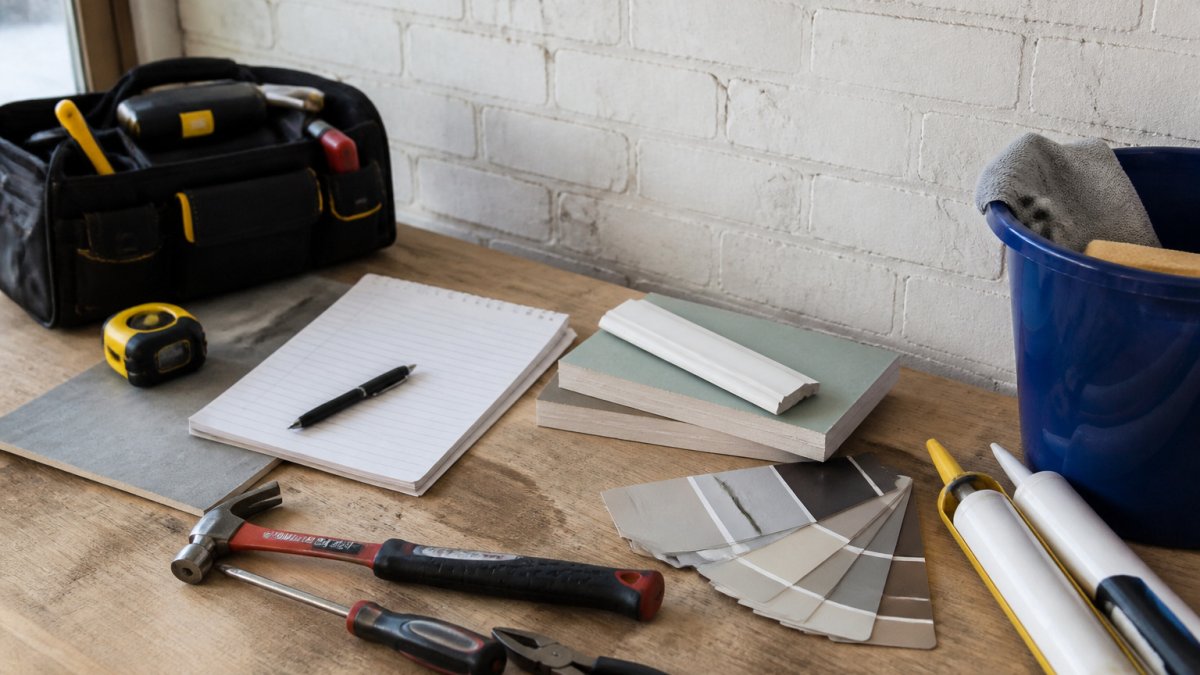
You do not need a full workshop to handle small home repairs. Build a basic kit over time:
- Screwdriver set with flat and Phillips heads
- Adjustable wrench
- Tape measure
Store these items in one labeled bin. When a problem appears, you will know exactly what you have.
Budgeting for Routine Repairs and Maintenance
A repair budget is less about saving a fixed amount and more about knowing what each job actually costs before you decide to DIY it or call a pro. The sections below give you realistic ranges, a contingency rule, and a simple way to compare your time against a service call.
Typical Cost Ranges for Common Small Repairs
Pricing for these repairs depends on the part, the complexity of the job, and whether you do the work yourself or hire help. For current pricing, request a quote from Reliable Repair ATL LLC.
The Contingency Rule
A common rule of thumb among homeowners is to set aside a maintenance reserve each year and keep a contingency buffer on top of any single project estimate.
Track actual spending for six months. Most people find their real average is higher than their guess, and the six-month number is the one to build the monthly transfer around.
DIY vs. Service Call: A Simple Break-Even
Compare the cost of the part plus your time against the service call minimum. A useful shortcut: if the part costs less than about one-tenth of the service call and you can finish the job in under an hour with tools you own, DIY usually wins. If the job needs a permit, a specialty tool you would use once, or a licensed trade, the service call is almost always cheaper once you price your time and risk.
- DIY wins: flappers, washers, filters, caulk, patch-and-paint, tightening hardware, plunging a drain.
- Pro wins: anything behind a wall, anything touching gas or the electrical panel, anything requiring a permit, and any job where you cannot identify the cause after 30 minutes of troubleshooting.
Consumer guidance on home maintenance and repair budgeting
A Monthly and Seasonal Maintenance Schedule
Small repairs are cheaper when they are caught on a schedule instead of a crisis. Use this cadence as a starting point and adjust for your climate and home age.
- Monthly: replace or check the HVAC filter, test smoke and carbon monoxide detectors, run water in unused drains, check under sinks for moisture.
- Quarterly: inspect caulk around tubs and windows, tighten cabinet and door hardware, clean dryer vent lint, check the water heater for leaks.
- Seasonally: before heating season, check the furnace and change the filter; before cooling season, clear condensate lines; before winter, shut off exterior hose bibs and inspect weatherstripping; in spring, walk the exterior for loose siding and roof shingles.
If you would rather hand routine upkeep to a pro on a set schedule, Reliable Repair ATL LLC offers monthly maintenance plans; request a free quote for current plan details and pricing.
Booking Your Next Repair With Reliable Repair ATL LLC
When a repair is beyond your skills or time, Reliable Repair ATL LLC provides professional home repair, maintenance, and remodeling services in the Atlanta area. The team handles small repairs, handyman tasks, and same-day service requests.
Frequently Asked Questions
What should I fix first when several small repairs pile up?
Start with anything that involves safety, water, or electricity, because these problems can escalate quickly. Next, address items that cause ongoing damage, such as a slow leak under a sink that rots cabinet wood or a door that won't latch and stresses its hinges. Cosmetic issues like scuffed paint or a squeaky cabinet can wait. Sorting repairs into these three groups keeps urgent problems from getting buried under routine tasks and helps you spend your repair budget where it protects the rest of the house.
Which easy home repairs can I do myself?
Most homeowners can handle replacing a toilet flapper, tightening loose door hinges and cabinet hardware, patching small drywall holes, touching up paint, and clearing a slow drain with a plunger or drain snake. These tasks need few tools and carry low risk when you shut off water or power first. If a repair requires cutting into walls, working with gas lines, or opening electrical panels, stop and call a licensed professional instead.
When should I stop a DIY repair and call a professional?
Stop and call a licensed pro if the problem involves gas odors, exposed or burning wiring, water spreading into walls or ceilings, or a repair that requires permits under local rules. Also stop if your first attempt didn't fix the issue or made it worse. A clear rule of thumb is that if you would need to guess at a step, the job has moved beyond a safe DIY task.
How much should I budget for routine home repairs?
Pricing depends on the part, the complexity of the job, and whether you buy materials yourself or hire help, so check current prices at local suppliers and request a quote from Reliable Repair ATL LLC for an accurate estimate. As a planning habit, set aside a fixed monthly amount for maintenance and keep a small emergency reserve for issues like a failed water heater or plumbing leak. Tracking what you spend each year shows where your money goes and helps you decide when repairs cost more than replacing an item.
Keep your repair list current, prioritize by risk, and stick to a small monthly budget. With a simple system, small home repairs stay small. Request your free quote from Reliable Repair ATL LLC when a job is bigger than you want to take on.