 how-to
How to Find Trustworthy Contractors in Atlanta
Last Updated: November 3, 2026
Quick Summary
Trustworthy contractors in Atlanta show up when promised, put scope and estimates in writing, and provide proof of licensing and insurance. Verify each credential directly with the issuing office, compare at least two or three written estimates, and confirm references yourself before signing any contract.
- Confirm the business registration with the Georgia Secretary of State's business search.
- Get a current certificate of insurance and confirm it directly with the insurance provider.
- Ask the contractor which license applies to your specific job, then verify that exact credential.
- Pay by milestones tied to completed work, not large upfront deposits.
- Re-verify the license close to signing, since licenses can lapse.
Table of Contents
- What Makes a Contractor Trustworthy in Atlanta
- How to Check if a Contractor Is Licensed in Georgia
- Questions to Ask a Contractor Before Hiring
- Contractor Estimate and Written Contract Checklist
- Checking Contractor Reviews and References
- Permits, Service Areas and Atlanta Project Costs
- Booking Your Next Home Project With Reliable Repair ATL LLC
- Frequently Asked Questions
What Makes a Contractor Trustworthy in Atlanta
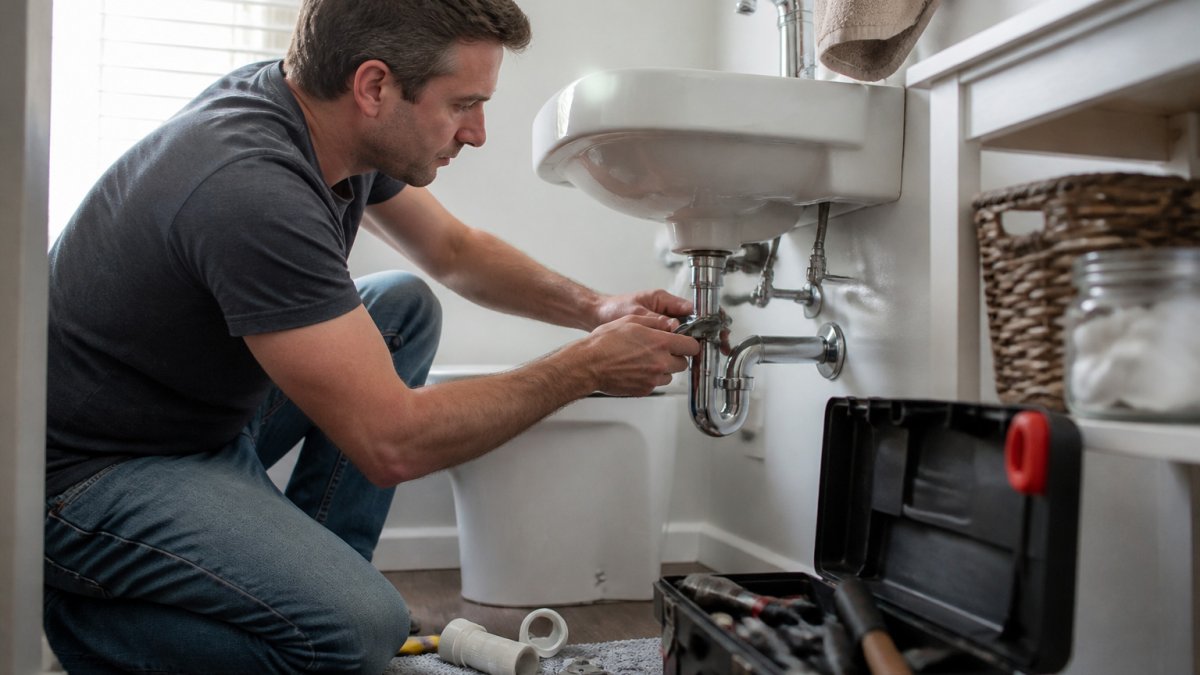
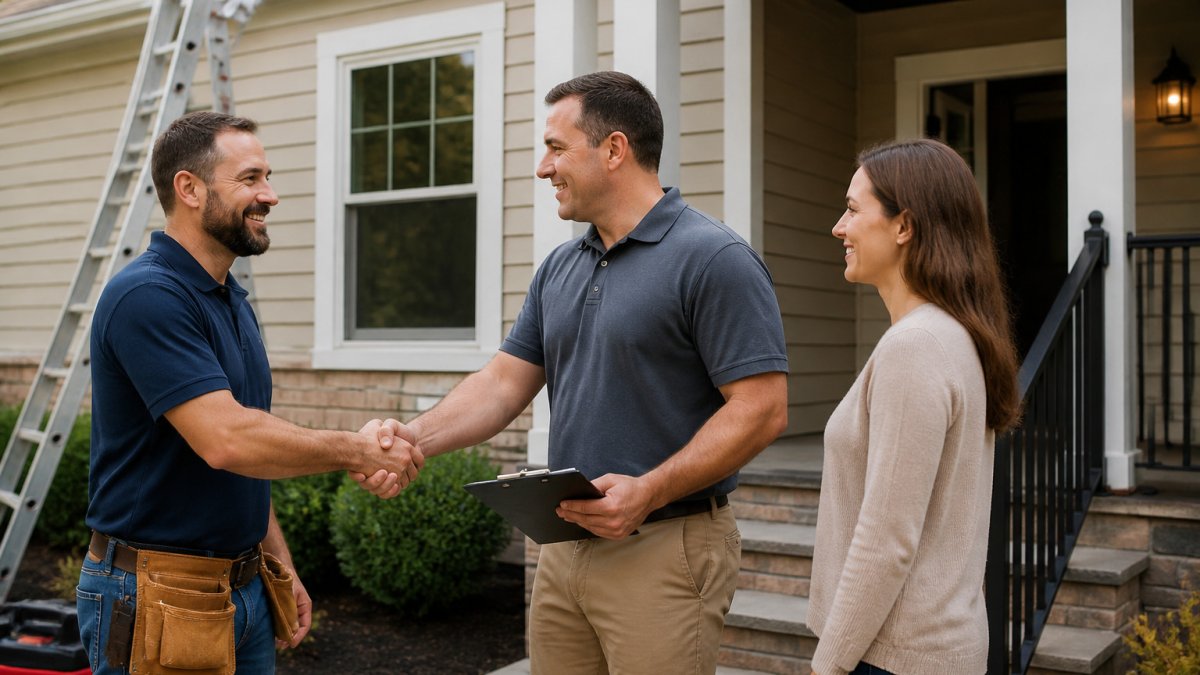
Finding trustworthy contractors in Atlanta, GA starts with one simple test: do they show up when they say they will, and do they put their promises in writing? The same habits separate dependable pros from the ones who vanish mid-project.
Trust is built from a handful of observable signals. A trustworthy contractor gives you a clear scope, a written estimate, a timeline they will commit to, and proof of licensing and insurance. They answer the phone, return calls within a reasonable window, and explain what they are doing and why.
Watch out: a contractor who pushes you to pay a large sum up front or who refuses to put the scope in writing is showing you a warning sign, not a bargain.
A reliable contractor also tells you when a job is outside their skills.
How to Check if a Contractor Is Licensed in Georgia
Georgia does not issue one universal "contractor license." What applies to your job depends on the trade and the scope, so the first step is figuring out which credential should exist before you start searching. Ask the contractor directly which license or registration applies to your specific job, then verify that exact credential rather than accepting a business card.
A practical verification sequence:
- Get the credential in writing. Ask for the license or registration number, the exact legal business name, and the name of the qualifying individual. Write these down before you search.
- Confirm the business registration. Use the Georgia Secretary of State's business search to confirm the company is registered and active, and to see the registered agent and formation date. A contractor who cannot produce a matching registration is a warning sign.
- Verify the trade or general contractor credential. For state-regulated trades, use the licensing board that governs that trade to confirm status, expiration date, and any public disciplinary actions. Match the name on the license to the name on your contract and estimate.
- Check for complaints and enforcement actions. Look for public disciplinary records and unresolved complaints, not just a clean status line.
- Re-verify close to signing. Licenses lapse and businesses change names. Run the check again the week you sign so the credential is current.
Watch out: a contractor who gives you a license number that belongs to a different company name, or who says the license is "in the office" and never produces it, is showing you a warning sign.
Verifying Insurance and Liability Coverage
Ask for a current certificate of insurance and confirm it directly with the insurance provider, not just the contractor's word. Look for general liability coverage and workers' compensation coverage, since uninsured workers injured on your property can create costly claims against you. Request that the certificate name you as the certificate holder, and check the policy expiration date against your project timeline. If the certificate is expired or the coverage limits look thin for the scope of work, ask for an updated certificate before any work begins.
Questions to Ask a Contractor Before Hiring
The right questions reveal how a contractor operates long before work begins. Ask how long they have run their business in the Atlanta area, who will supervise the crew, and whether they use subcontractors. Find out how they handle permits and whether they will pull them.
Ask for references from recent projects of similar size. Then ask what went wrong on their last job and how they fixed it.
- How long have you been licensed and operating in Atlanta?
- Who will be on site each day, and who is my single point of contact?
- Do you use subcontractors, and are they insured?
- How do you handle change orders and unexpected problems?
- What is your typical schedule for starting and finishing a job?
Use these questions to see how a contractor operates before any work begins.
| Question | What it reveals | Why it matters |
|---|---|---|
| How long have you been licensed and operating in Atlanta? | Track record | Shows local experience |
| Who will be on site each day? | Supervision | Names your point of contact |
| Do you use subcontractors, and are they insured? | Coverage | Limits liability exposure |
| How do you handle change orders? | Cost control | Prevents surprise charges |
| What is your typical schedule for starting and finishing? | Timeline | Sets clear expectations |
Contractor Estimate and Written Contract Checklist
A written estimate should list materials, labor, the project timeline, and what is excluded. Vague line items like "miscellaneous" are a red flag. Compare at least two or three estimates for the same scope so you can see where the numbers differ and why.
Before you sign, make sure the written contract includes:
- The full scope of work with clear start and finish dates
- A payment schedule tied to completed milestones rather than large upfront deposits
- Material specifications, brands, and quantities
- Warranty terms for both labor and materials
- A clause for how change orders are approved and priced
- The contractor's license number and insurance details
- A process for resolving disputes
Keep every signed document and every payment record. If a dispute arises, a written paper trail is your strongest protection.
Checking Contractor Reviews and References
Online reviews offer a useful starting point, but read them with care. Look for patterns across many reviews rather than a single glowing or angry post. Pay attention to how the contractor responds to complaints, since a professional reply to a bad review often says more than the review itself.
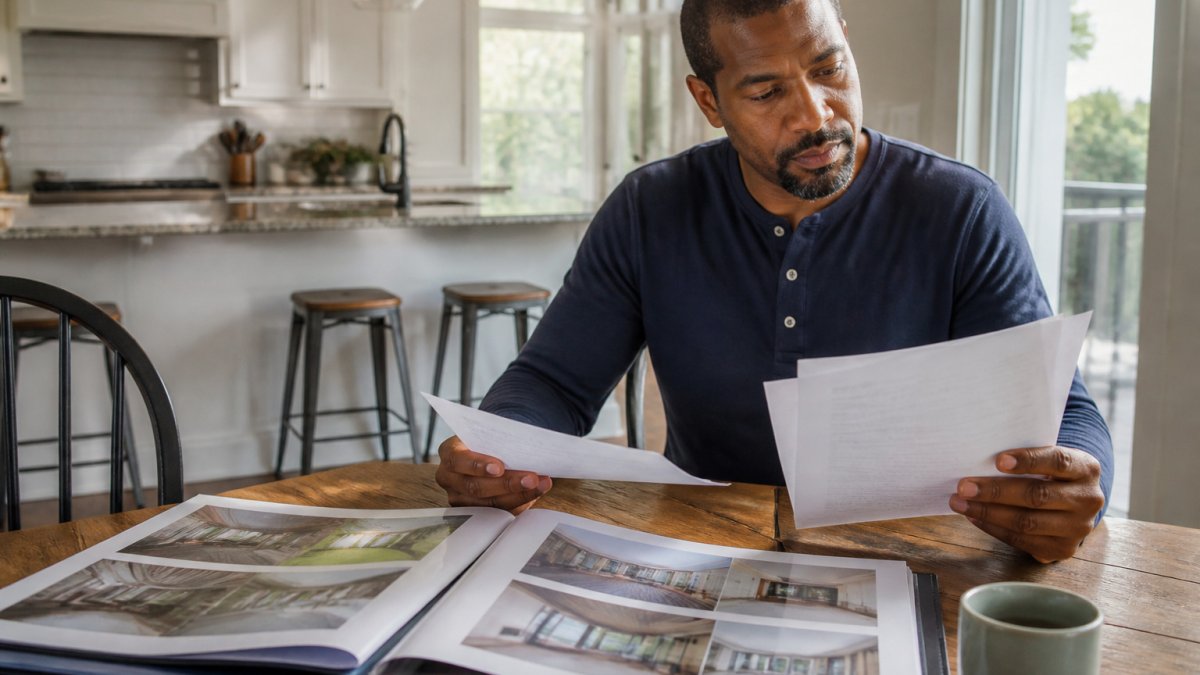
Call past customers and ask specific questions. Did the project finish on schedule and within the agreed budget? Did the crew clean up each day? Would they hire the contractor again? Ask to see photos of finished work and, where possible, visit a completed project.
A common mistake is relying only on references the contractor chooses. Ask for a few recent clients you can contact yourself, and check the Better Business Bureau and local complaint records for any unresolved disputes.
Permits, Service Areas and Atlanta Project Costs
Permit requirements vary by jurisdiction and project type, and the only reliable way to know what applies to your address is to confirm it with the office that governs your property. Work inside a city may fall under that city's building department, while work in unincorporated areas may fall under the county. Before the job starts, ask the contractor which office will issue the permit, who will pull it, and whether inspections are required at specific stages. A trustworthy contractor will explain the permit path in writing and will not ask you to skip permits to save time.
A repeatable way to confirm requirements for your address:
- Identify whether your property sits inside a city limit or in unincorporated county territory.
- Contact that jurisdiction's building or permits office and describe the scope in plain terms, for example, a bathroom remodel that moves plumbing versus a like-for-like fixture replacement.
- Ask whether the work requires a permit, what inspections apply, and who is allowed to pull the permit.
- Get the answer in writing, and keep it with your contract.
Watch out: a contractor who says permits are "not needed" for work that clearly changes plumbing, electrical, or structural elements is often trying to avoid inspection, and that decision can surface later as a problem when you sell or insure the home.
Confirm the contractor actually serves your neighborhood. Ask how far they travel, whether they have current work in your part of town, and who will supervise the crew on site.
Comparing Bids and Reading Project Costs
Project costs depend on materials, labor availability, the age of the home, and the scope of the work, so a single number tells you little. Compare at least two or three written estimates for the same scope, and normalize them before you compare price: confirm each bid covers the same materials, the same permit responsibility, the same cleanup, and the same warranty terms. An unusually low bid is often low because something was left out, permits, disposal, or a line item that will reappear as a change order.
Ask each contractor to break the bid into labor, materials, and allowances, and to state what is excluded. Then compare the exclusions side by side. If one bid is dramatically lower, ask what was omitted rather than assuming you found a bargain. For current pricing on your specific project, request a quote directly from Reliable Repair ATL LLC.
Booking Your Next Home Project With Reliable Repair ATL LLC
Choosing a trustworthy contractor comes down to verified licensing, clear written terms, insured crews, and references you have checked yourself. Reliable Repair ATL LLC offers same-day service options and monthly maintenance plans for Atlanta homeowners, with a focus on prompt, high-quality repair and remodeling work.
When you are ready to move forward, request your free quote and ask for a written scope, timeline, and insurance certificate before you agree to anything.
Frequently Asked Questions
What is the best way to find a reputable contractor?
Start with referrals from neighbors, then verify each name yourself. Confirm the contractor's Georgia license, ask for proof of liability insurance and workers' compensation, and request at least three recent references from similar projects. Compare written estimates from several providers before deciding. A contractor who resists these steps or pushes you to sign quickly is a warning sign, not a shortcut. Reliable Repair ATL LLC can provide current information and a written quote on request.
How can I check whether a contractor is licensed in Georgia?
Check the contractor's license status with the relevant Georgia licensing authority, confirm the license is active and in the correct classification, and look for any disciplinary history. Ask the contractor to show the license and cross-check the name on their contract matches the licensed entity. Unlicensed work can leave you without recourse if something goes wrong.
What should a contractor's written estimate include?
A written estimate should list the project scope, materials with brands or grades, labor costs, permit fees, the timeline, payment schedule and the warranty terms. It should state how change orders and unexpected problems are priced and approved. Vague line items such as 'miscellaneous' or 'allowance' without limits are a red flag. Pricing depends on materials, project size and site conditions, so request a written quote from Reliable Repair ATL LLC for current details.
How many estimates should I get for a home project?
Get at least three written estimates for any project above a few hundred dollars. Compare them line by line rather than by total price, since a much lower bid often omits permits, cleanup or materials. Ask each contractor the same questions so the bids are comparable. Keep notes on how each one communicated and whether they visited the site before quoting.