 how-to
How Do You Prepare for Home Renovation Disruption?
Last Updated: October 28, 2026
Quick Summary
To prepare for renovation disruption, first write down exactly which rooms, utilities and access points the project will affect. Then budget for disruption costs such as temporary meals, storage, cleaning and lodging, and build a week-by-week plan starting five weeks before work begins.
- Get the renovation scope in writing so everyone agrees on what gets torn out.
- Set aside a contingency fund before work begins for unexpected repairs.
- Confirm utility shutoffs and the contractor's schedule in writing, and add them to a shared calendar.
- Pack labeled boxes by room and keep an essentials box for daily use.
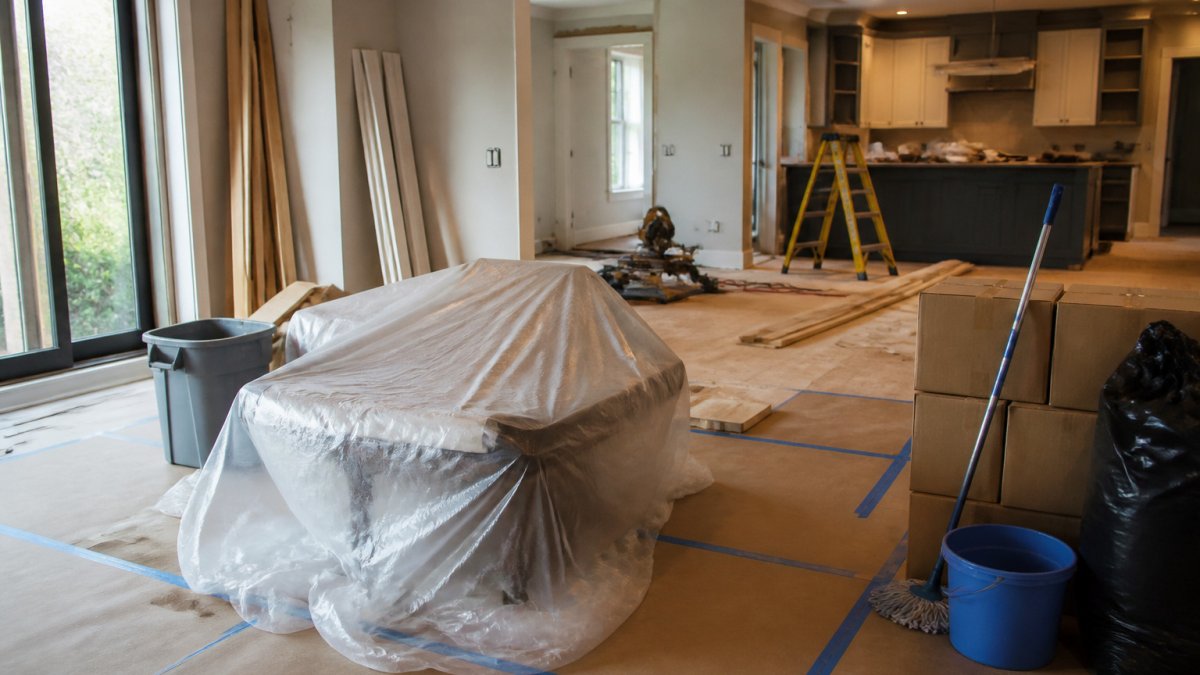
- Lay floor protection on the paths crews will use and cover furniture that stays.
Table of Contents
- Set Your Renovation Scope and Disruption Expectations
- Build a Realistic Budget That Includes Disruption Costs
- Create a Week-by-Week Preparation Timeline
- Declutter, Pack, and Protect Your Belongings
- Plan for Dust, Debris, and Junk Removal
- Protect Children, Pets, and Daily Routines During Work
- Schedule Your Renovation Walkthrough and Get a Free Quote
- Frequently Asked Questions
Renovation disruption can turn a home into a construction zone for months, and most homeowners underestimate how much it will affect daily life. Dust settles on everything, the kitchen goes offline, and the schedule slips a week at a time. This guide walks you through how to prepare for home renovation disruption, step by step, from scoping the project to protecting your family and your belongings.
Set Your Renovation Scope and Disruption Expectations
Start by writing down exactly what the project will touch. A kitchen update is different from a whole-floor remodel, and the disruption level depends on which rooms, systems and access points are involved.
Walk through each room and note what will be opened, moved or taken out of service. Then answer three questions:
- Which rooms will be unusable, and for how long?
- Will water, power or internet be shut off at any point?
- Which exterior doors, stairs or walkways will crews need to use?
Watch out: Get the scope in writing before work starts, so everyone agrees on what gets torn out.
Build a Realistic Budget That Includes Disruption Costs
The renovation budget is only part of the picture. Disruption adds its own costs, and many homeowners forget to plan for them.
Common disruption costs include:
- Temporary meals or takeout while the kitchen is down
- Storage rental for furniture and household goods
- Cleaning services for dust and debris
- Lodging if a bathroom or bedroom is unusable
- Extra childcare or pet boarding during work hours
Set a contingency aside before work begins so an unexpected repair does not derail the whole plan.
For a current quote on your specific project, contact Reliable Repair ATL LLC.
Create a Week-by-Week Preparation Timeline
A timeline turns a vague worry into a checklist you can follow. A timeline can turn a vague worry into a checklist you can follow.
Week 5, Money and storage. Set up the disruption budget line items (temporary meals, storage, cleaning, lodging, pet or childcare) and move the contingency into a separate account so it is not spent on the renovation itself. Reserve a storage unit if you need one; size it to the rooms being emptied, not to the whole house. Confirm the unit's access hours and whether the facility requires a lock you supply.
Week 3, Services and access. Call the utility providers and ask what will be shut off and when; get the contractor's shutoff schedule in writing and put it on the shared calendar. Set up mail forwarding or a pickup plan if the front door or mailbox will be blocked. Confirm where deliveries should go during construction and tell regular delivery services. If internet or cable runs through a wall being opened, ask the provider about a temporary line or relocation now, not the day it goes dead.
Week 2, Temporary living plan. Finalize the temporary kitchen corner (microwave, mini-fridge, paper goods, a dishwashing station), the bathroom plan, and the sleeping arrangement if a bedroom is affected. Book any pet boarding or childcare for demolition days. Move valuables and documents to a secure room or off-site. Confirm the safe room for children and pets and walk the household through it.
Week 1, Pack and protect. Pack and label boxes by room and contents, keeping a clearly marked essentials box for daily use. Move or cover furniture that stays. Remove artwork and wall hangings. Lay floor protection on the paths crews will use. Confirm parking, the work zone, and the exterior door crews will use, and post the contractor's and your emergency contacts where everyone can see them.
The timeline breaks preparation into weekly steps, each with its own focus.
| Week | Focus | Key action |
|---|---|---|
| Week 5 | Money and storage | Set disruption budget and reserve storage |
| Week 3 | Services and access | Confirm shutoffs, mail and deliveries |
| Week 2 | Temporary living plan | Finalize kitchen corner, bathroom and childcare plan |
| Week 1 | Pack and protect | Pack labeled boxes and protect floors |
Declutter, Pack, and Protect Your Belongings
Clear out the rooms first. Sort everything into four piles: keep, donate, sell and discard. Anything you do not need during the project should go into storage or out of the house.
When you pack:
- Use sturdy boxes and label each one with its room and contents
- Keep essentials in a clearly marked box for daily use
- Wrap fragile items in paper or bubble wrap
- Keep valuable items with you or in a secure room
Protect what stays. Cover floors with heavy plastic or drop cloths. Move large furniture to the center of the room and wrap it. Remove artwork and wall hangings before crews begin.
Plan for Dust, Debris, and Junk Removal
Dust is the most common complaint during renovations, and it spreads faster than most homeowners expect. To find affordable junk removal services in Atlanta for the debris, look at this guide.

Protect Children, Pets, and Daily Routines During Work
Set a simple daily routine that fits the work schedule:
- Set up a kitchen corner with a microwave, fridge and paper goods
- Choose a bathroom plan, whether that is a neighbor, a gym or a second floor
- Pick quiet times for work calls, homework and sleep
- Arrange pet care during demolition days
Tell your household members what to expect each week. A short morning update helps children and other adults prepare for loud or dusty days.
Schedule Your Renovation Walkthrough and Get a Free Quote
Reliable Repair ATL LLC offers same-day service options and monthly maintenance plans. Request your free quote.
Frequently Asked Questions
How do you live in a house during a major renovation?
Plan a temporary setup before work starts. Keep a working kitchen or a microwave, fridge and sink in one area away from the work zone, and set up a clean bathroom route. Ask your contractor which rooms will be closed off and when water, power or internet may be interrupted. Many households find it easier to stay in one or two finished rooms and use a clearly marked path to the rest of the house. Expect noise and dust during active demolition, and plan breaks away from home on the loudest days when possible.
What is the best way to prepare for a home remodel?
Start with a written scope that lists each room and each change, then ask your contractor for a timeline with major milestones. Build a budget that includes a contingency for unexpected repairs. Clear the work areas, remove or pack valuables, and arrange storage for furniture you cannot keep on site. Confirm permit needs and inspection dates early so the schedule is realistic.
How do I protect my belongings during home construction?
Remove fragile and valuable items from the work zone before the first day. Pack and label boxes by room, and store them in a locked room or an offsite storage unit if space is tight. Cover furniture that must stay with breathable drop cloths, and wrap or box electronics. Ask the crew to keep tools and materials out of your living areas at the end of each day, and take photos of the rooms before work begins so you have a record.
How can I manage dust and debris during a renovation?
Seal the work area with plastic sheeting and zip-wall barriers, and close doors and vents in the work zone. Run exhaust fans or a portable air scrubber to reduce airborne particles, and change HVAC filters more often during the project. Ask your contractor to clean up debris at the end of each workday. Scheduled junk removal, rather than letting debris pile up, keeps the work zone safer and makes cleanup at project end faster and less expensive.
Preparing for renovation disruption takes planning, but it pays off in less stress and fewer surprises. Set the scope, budget for the disruption, follow a timeline, and protect your household from dust and debris. Start that planning now, and the project will feel far more manageable when crews arrive.