 how-to
How Can You Maintain Your Home's Value in 2026?
Last Updated: October 25, 2026
Quick Summary
To maintain home value in 2026, create a seasonal maintenance checklist tied to your home's systems, document all repairs with receipts and photos, and budget 1-4% of your home's value annually for upkeep. Prioritize water protection, roof and HVAC maintenance, and safety repairs before cosmetic upgrades.
- Set recurring reminders for tasks like gutter cleaning, filter changes, and water heater anode rod replacement on the same date each year
- Gutter cleaning costs $150-$400 per visit, HVAC service runs $100-$250 annually, and chimney inspections range from $150-$400
- Keep detailed records including receipts, warranties, photos, and contractor information to prove care to buyers and inspectors
- Call a licensed professional for active water intrusion, roof leaks, widening cracks, gas smells, or repeated electrical issues
- Prioritize value-preservation repairs like roof and plumbing fixes before buyer-appeal projects like paint and kitchen updates
Table of Contents
- Why Maintaining Home Value Matters in 2026
- Create a Home Maintenance Checklist for Year-Round Protection
- Common Home Repairs That Require Professional Help
- Build a Preventive Home Maintenance Plan
- Home Repairs That Add Value and Protect Your Investment
- Prioritize Maintenance and Budget for Maximum Impact
- Get Started with Professional Maintenance Support
- Frequently Asked Questions
Why Maintaining Home Value Matters in 2026
Your home is likely your biggest investment. Keeping it in good shape helps you maintain home value and keeps it comfortable, safe, and worth more when you sell.
The challenge is knowing where to focus: some repairs matter more than others.
Repair costs keep rising, buyers expect excellent condition, and unexpected repairs drain savings fast, so a smart maintenance plan is essential.
Create a Home Maintenance Checklist for Year-Round Protection
A seasonal checklist is the backbone of value preservation, but a list of tasks isn't enough. The homeowners who protect value best pair a calendar with record-keeping and a rough cost expectation for each task, so nothing gets deferred until it becomes a five-figure repair.
Build the calendar around your home's systems, not the seasons alone
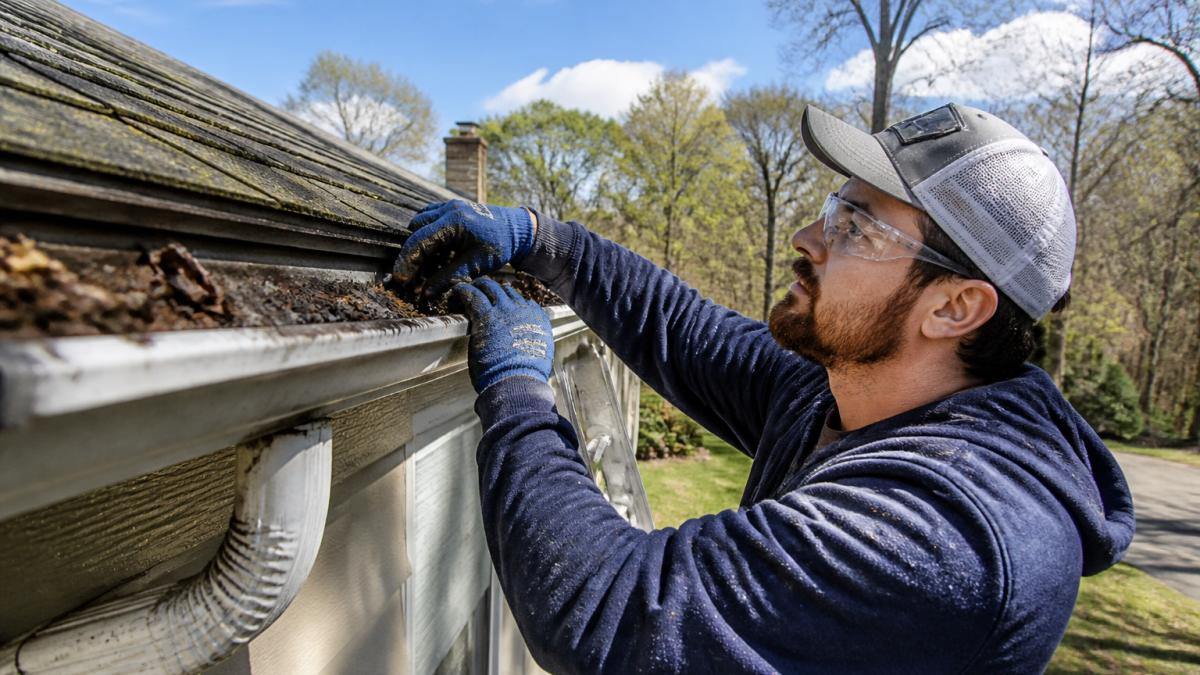
Seasons are a useful trigger, but the real schedule should follow each system's service life. Set recurring reminders for tasks that fail silently, gutters, grading, caulk, filters, and the water heater anode rod, on the same date every year so they don't drift.
Spring (March-May)
- Inspect the roof for lifted or missing shingles and check flashing at chimneys and skylights
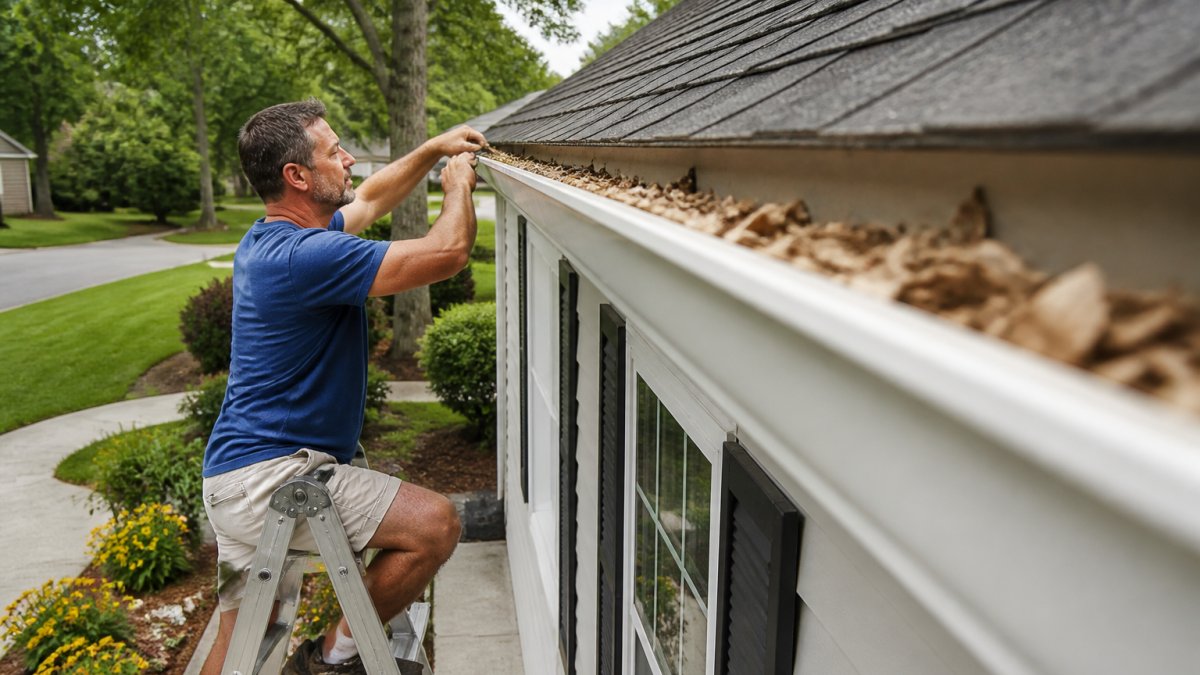
- Clean gutters and downspouts, then confirm downspouts discharge at least 6 feet from the foundation
- Re-caulk exterior joints and replace worn weatherstripping
Summer (June-August)
- Change HVAC filters on the manufacturer's recommended interval (often every 1-3 months)
- Check the deck, porch, and fence for rot and loose fasteners
- Inspect siding and trim for peeling paint and gaps
Fall (September-November)
- Clean gutters again after leaf drop
- Have the chimney and flue inspected before the first fire
- Weatherproof windows and doors and re-check attic insulation
Winter (December-February)
- Watch for ice dams at the eaves and check the attic for frost or moisture
- Test smoke and carbon monoxide detectors and replace batteries
- Inspect pipes in unheated spaces and add insulation where needed
Put a rough cost next to each task
Costs vary by market and home age, but budgeting by task category keeps surprises small, routine tasks cost far less than the repairs they prevent. Use these as planning ranges, not quotes, and get local bids before committing.
- Gutter cleaning: often $150-$400 per visit depending on roofline and stories
- HVAC service: commonly $100-$250 per system per year
- Chimney inspection: frequently $150-$400
Document everything as you go
Records are the difference between a well-maintained home and one that merely looks maintained. Keep a simple folder, digital or physical, with:
- Receipts and invoices for every repair and service call
- Warranty documents and the dates coverage ends
- Photos of before-and-after work, especially for water damage and roof repairs
This record does two things: it helps you spot repeat problems, like a leak returning to the same corner, so you escalate to a specialist instead of patching again; and when you sell, it demonstrates care to buyers and inspectors, supporting your asking price and reducing negotiation friction.
Know when the checklist should trigger a professional call
A checklist is a screening tool, not a repair manual. Call a licensed professional for any active water intrusion, a roof leak of unknown origin, widening cracks, a gas smell, repeated tripping breakers, or an HVAC system that short-cycles. Catching these early is the whole point of the calendar.
These common maintenance tasks and their typical costs help you budget and plan throughout the year.
| Task | Typical Cost | Frequency |
|---|---|---|
| Gutter cleaning | $150-$400 per visit | Spring and fall |
| HVAC service | $100-$250 per system | Annual |
| Chimney inspection | $150-$400 | Before first fire |
| Caulking and weatherstripping | Under $200 in materials | As needed |
| Water heater anode rod replacement | $150-$300 | As needed |
Common Home Repairs That Require Professional Help
Some repairs look simple but aren't. Knowing which repairs need a professional saves money and prevents disaster. Common Home Repairs That Require Professional Help provides detailed guidance on which tasks demand professional expertise.
Roof repairs are a perfect example.
Electrical work is another area where professionals are essential. A licensed electrician knows the codes and can spot hazards you'd miss. The National Electrical Code standards set safety requirements that protect your home and family.
Plumbing issues demand professional attention too. Water damage from burst pipes or failed seals can destroy walls, floors, and foundations, and mold grows in wet spaces.
HVAC repairs also require expertise. Refrigerant handling requires certification, and improper work voids warranties and creates safety risks (the EPA).
Structural repairs, foundation cracks, beam damage, wall movement, absolutely need professional eyes. These problems affect your home's safety and resale value.
Build a Preventive Home Maintenance Plan
Preventive maintenance stops small problems from becoming big ones. It costs far less to maintain something than to replace it.
Next, create a maintenance calendar covering what needs doing each month, including seasonal tasks, annual inspections, and easy-to-forget items like changing air filters.
Then track what you do.
Finally, know when to call a professional. Some tasks are genuinely DIY-friendly; others need expertise.
Many homeowners wonder if a monthly maintenance plan is worth it.
Home Repairs That Add Value and Protect Your Investment
Not all repairs are equal. The most useful distinction is between three categories: tasks that prevent depreciation, tasks that improve buyer appeal, and upgrades that may not recover their cost. Knowing which is which keeps you from over-renovating.
Category 1: Value preservation (do these first)
These tasks don't raise your home's price on their own, but skipping them erodes value and can trigger larger repairs. They're the highest priority because the downside of neglect is steep.
- Roof repairs and flashing: a small leak can rot decking and insulation, and buyers' inspectors flag roof age immediately
- Water damage prevention: grading, downspout extensions, caulk, and shut-off valves stop the most expensive category of hidden damage
- HVAC service and filter changes: a well-maintained system lasts longer and avoids emergency replacement
- Plumbing leak repair: slow leaks under sinks and behind walls cause mold and structural damage
A common pattern is that these tasks cost hundreds of dollars but prevent repairs that cost thousands. Budget for them before any cosmetic project.
Category 2: Buyer appeal (high impact, moderate cost)
These projects improve how buyers perceive the home and often return a meaningful share of their cost, though the exact return varies by market and condition.
- Interior paint in neutral colors: one of the lowest-cost, highest-visibility refreshes; soft grays, warm whites, and gentle beiges appeal broadly
- Kitchen facelift without full renovation: paint, hardware, lighting, and a clean backsplash often deliver more perceived value than a gut remodel
- Bathroom refresh: new fixtures, updated lighting, re-grouted tile, and fresh paint show clearly in small spaces
- Curb appeal: exterior paint, a clean entry door, updated house numbers, and maintained landscaping shape the first impression
Category 3: Upgrades that may not pay back
Some improvements add enjoyment but recover little at resale. That doesn't make them wrong, but they should be budgeted as lifestyle spending, not investment.
- High-end kitchen remodels that exceed the neighborhood's price ceiling
- Pools and elaborate landscaping features, which appeal to a narrow buyer pool
- Converting a garage or bedroom in ways that reduce functional layout
- Highly personalized finishes that buyers may want to replace
A useful rule of thumb is to keep improvements in line with neighboring homes. Over-improving for the block is one of the most common ways homeowners fail to recoup cost.
Weigh cost against likely resale impact
Before committing to any project, get at least two local bids and ask each contractor what the work does for inspection outcomes, not just appearance. A repair that clears a likely inspection objection often protects more value than a cosmetic upgrade that merely looks new.
- Get written quotes that separate labor and materials
- Ask about warranties and whether they transfer to a buyer
- Confirm permits where required, since unpermitted work can complicate a sale
- Keep receipts and before-and-after photos for your records
Protect value now, upgrade later
If your budget is limited, sequence the work: safety and water protection first, systems maintenance second, cosmetic refresh third, and larger upgrades only when the first three are current. This order protects the asset while leaving room for improvements that make the home more appealing when you decide to sell.
Prioritize Maintenance and Budget for Maximum Impact
You can't do everything at once.
Start with safety and protection. Fix water leaks immediately. Address electrical hazards.
Next, maintain your home's systems. Keep your HVAC running. Maintain your roof. Keep gutters clear.
Then focus on curb appeal and cosmetic updates. Paint, landscaping, entry improvements.
Finally, consider larger upgrades if your budget allows.
When budgeting, be realistic.
Track your spending.
Get Started with Professional Maintenance Support
Maintaining home value takes planning, attention, and sometimes professional expertise.
Reliable Repair ATL LLC offers comprehensive home repair and maintenance services tailored to your home's specific needs. Compare Monthly Home Maintenance Plans: Atlanta Reviews & Comparison to see available options and local reviews.
A monthly maintenance plan means you're never guessing about what needs attention. We handle the work professionally.
If you're ready to get started, [Request Your Free Quote] and let us help you protect your investment.
Your home's value depends on the care it receives. Smart maintenance today protects your biggest asset tomorrow.
Frequently Asked Questions
How can regular maintenance help preserve home value?
Regular maintenance prevents small problems from becoming expensive repairs that damage home value. Water damage, deferred roof repairs, and neglected HVAC systems significantly lower market value and buyer appeal. A preventive home maintenance plan catches issues early, extends the life of major systems, and demonstrates to future buyers that your home has been cared for. This documented upkeep is one of the strongest signals of property value preservation.
Which home repairs should be handled by a professional?
Electrical work, plumbing, roofing, HVAC repairs, foundation issues, and structural damage must be handled by licensed professionals. These systems affect safety, building codes, and resale value. Unpermitted DIY work can create liability and void warranties. Professional repairs ensure code compliance, proper diagnosis of hidden problems, and warranty protection. A professional can also spot related issues you might miss, preventing costlier failures later.
Does deferred maintenance lower a home's value?
Yes, significantly. Deferred maintenance, postponed repairs and neglected upkeep, reduces market value, increases buyer hesitation, and leads to failed inspections. Water damage, roof deterioration, outdated systems, and visible neglect are red flags that lower perceived value and negotiating power. Buyers often demand price reductions or walk away entirely. Addressing maintenance promptly preserves your home's condition and market appeal.
What home improvements are worth doing before selling?
Curb appeal improvements (fresh exterior paint, landscaping, entry door refresh), kitchen updates, bathroom upkeep, interior paint in neutral colors, and deep cleaning deliver strong returns. Also prioritize fixing deferred maintenance, water damage, and HVAC issues. These don't require full renovations, minor facelifts and repairs signal a well-maintained home. Avoid over-customized upgrades; focus on broad buyer appeal and home condition.
The difference between a home that holds its value and one that loses it often comes down to one thing: attention. Regular maintenance, professional repairs when needed, and strategic improvements create a home that stays safe, comfortable, and valuable. Start with a clear maintenance plan. Prioritize what matters most. And don't hesitate to call professionals when the job demands expertise. Your home, and your wallet, will thank you.