 blog
Common Home Repairs That Require Professional Help
Table of Contents
- Common Home Repairs That Require Professional Help
- Major Home Repairs You Shouldn't Attempt Alone
- Home Repairs You Shouldn't DIY: Safety and Code Compliance
- When to Call a Professional for Home Repairs
- Home Maintenance Services and Preventive Care
- Finding and Vetting Licensed Contractors
- Frequently Asked Questions
Last Updated: October 9, 2026
Common Home Repairs That Require Professional Help
Knowing which repairs you can handle and which demand a professional is crucial for your home's safety and value. Calling a professional isn't about lacking skills, it's about recognizing which repairs involve building codes, specialized equipment, or risks beyond DIY scope.
This guide covers the most common home repairs that require professional help, how to assess risk and urgency, and how to vet contractors you can trust.
Why Some Repairs Demand Professional Expertise
Some repairs affect your home's safety, structural integrity, or code compliance. When plumbing, electrical, HVAC, roofing, or gas systems fail, consequences extend far beyond the visible problem.
Professional contractors carry licensing and insurance, understand building codes, spot hidden issues, and have the tools and training to work safely.
Many insurance policies require licensed professionals for certain repairs; hire an unlicensed person and your claim may be denied.
Major Home Repairs You Shouldn't Attempt Alone
Some repairs are too risky, complex, or regulated for DIY work: water damage, electrical hazards, heating and cooling failures, structural problems, gas leaks, and pest infestations.
Plumbing and Water Damage
Water damage spreads fast and hides. A small leak behind a wall can rot framing, grow mold, and compromise your structure for months before you notice.
Major plumbing repairs include:
- Main water line repairs or replacement
- Sewer line issues or backups
- Major drain clogs that require professional equipment
A burst pipe can flood your foundation, damage electrical systems, and create mold. Professional plumbers have cameras to inspect pipes, high-pressure equipment for stubborn clogs, and the expertise to tell a simple fix from larger system failure.
Electrical System Work
Electrical DIY mistakes create fire and electrocution risks, sometimes causing fires months or years later.
Never attempt:
- Installing new circuits or outlets
- Upgrading your electrical panel
- Running new wiring through walls
Electrical codes exist because houses have burned down from improper wiring. A licensed electrician knows these codes and carries insurance; if an unlicensed person causes a fire, your claim may be denied.
Even adding an outlet requires understanding load capacity, grounding, and code compliance. A licensed electrician also spots hazards you might miss: outdated wiring, overloaded circuits, or improper grounding.
HVAC Service and Replacement
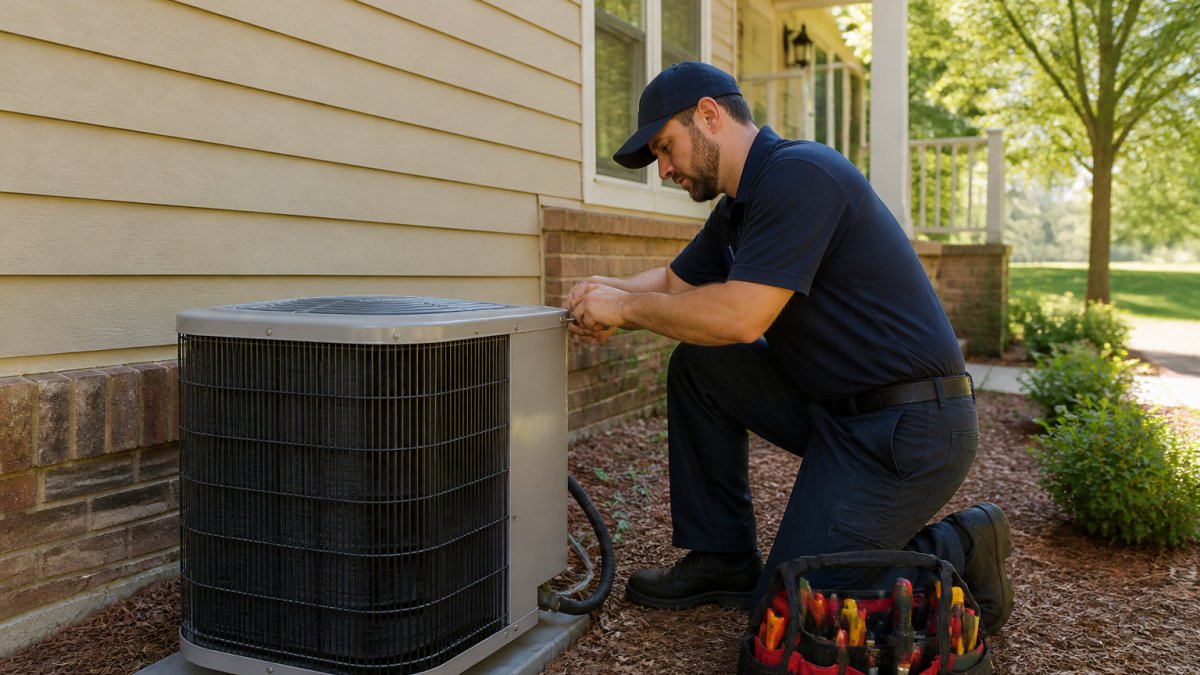
HVAC work requires EPA certification for refrigerant handling, specialized diagnostic equipment, and knowledge of building codes.
Professional HVAC work includes:
- System replacement or major repairs
- Refrigerant handling or recharging
- Ductwork installation or modification
A malfunctioning HVAC system can create carbon monoxide risks, mold, or structural damage from poor humidity control.
Attempting HVAC repairs without certification can void your warranty and create safety hazards. A professional repair usually costs far less than replacing a system damaged by improper work.
Roof Repairs and Replacement
Roof work combines fall hazards, structural complexity, code requirements, and waterproofing principles that protect your entire home.
Professional roofing work includes:
- Roof replacement or major repairs
- Structural repairs to roof framing
- Flashing installation or repair
A leaking roof penetrates insulation, rots framing, and creates mold. Improper repairs often look fine initially but fail within months, letting water damage the structure beneath.
Roof work requires fall protection, specialized tools, and knowledge of local wind and snow load codes.
Structural and Foundation Issues
Foundation cracks, uneven floors, doors that won't close, and sagging ceilings signal structural problems affecting your home's safety and value.
Structural issues that need professionals:
- Foundation cracks or settling
- Bowing or cracked basement walls
- Uneven or sagging floors
Structural problems often have root causes: poor drainage, soil movement, water damage, or construction flaws.
Ignoring structural problems lets them worsen: a small foundation crack can widen and admit water, and sagging floors eventually create safety hazards and make your home uninsurable.
Gas Line and Chimney Work
Gas lines and chimneys involve combustion safety. Gas leaks create explosion and carbon monoxide risks; chimney problems affect draft, efficiency, and fire safety.
Never attempt:
- Gas line installation or repair
- Gas appliance connections
- Chimney cleaning or repair
Gas work requires licensing in most areas. A licensed professional detects leaks, ensures proper connections, and verifies safe operation.
A gas leak isn't always obvious by smell, and professional testing equipment detects leaks you can't see.
Pest and Termite Control
Pest infestations, especially termites, cause structural damage that worsens over time and require specialized knowledge, licensing, and equipment.
Issues requiring professionals:
- Termite infestations
- Carpenter ant damage
- Rodent infestations in walls or attic
Termites eat wood silently, often causing extensive damage before you notice. A professional pest control contractor identifies the infestation type, assesses damage, applies treatments that eliminate the problem, and knows which are safe around children and pets.
Some pest problems require multiple treatments; a professional can monitor and treat systematically, while DIY approaches often miss hidden infestations.
Home Repairs You Shouldn't DIY: Safety and Code Compliance
Building codes exist because homes have failed catastrophically when work wasn't done properly. Codes govern electrical, plumbing, HVAC, roofing, gas, and structural work.
When you hire an unlicensed person or DIY, you're responsible if something goes wrong.
Permits are inspections that catch problems before they become disasters.
Code compliance also affects resale value: buyers and inspectors look for unpermitted work, which can kill a sale or force costly corrections before closing.
When to Call a Professional for Home Repairs
The decision to call a professional should consider risk, complexity, and your experience level. Some repairs clearly need a professional; others depend on your skills and comfort level.
Risk Assessment and Urgency Triage
Start by assessing the risk level and urgency of the repair:
Immediate safety hazards (call today):
- Gas smell or suspected gas leak
- Electrical sparking, burning smell, or shock risk
- Roof leak during heavy rain
Urgent but not immediate (call this week):
- Slow plumbing leaks or drips
- HVAC system not working in hot or cold weather
- Water stains on ceilings or walls
Can wait but shouldn't be ignored (schedule within a month):
- Minor plumbing issues like slow drains
- Electrical outlets that are loose or warm
- HVAC system running but not efficient
Address urgent issues before they become emergencies: a slow leak today becomes water damage next month, and a minor electrical issue becomes a fire hazard next year.
Cost Factors and Getting Repair Estimates
Professional repairs vary widely in cost by complexity, materials, and location. Get estimates from multiple contractors rather than guessing.
When requesting estimates:
- Describe the problem clearly and completely
- Ask what the estimate includes (materials, labor, permits, cleanup)
- Clarify warranty or guarantee terms
Compare estimates carefully: the lowest price isn't the best value if it excludes important work or comes from an unlicensed contractor.
Many contractors offer free estimates. Use them to get multiple perspectives, since contractors may identify issues others missed or propose different approaches.
Home Maintenance Services and Preventive Care
The best way to avoid expensive repairs is prevention. Regular maintenance catches issues early, when they're cheaper to fix.
Early Warning Signs and Monthly Inspections
Walk through your home monthly looking for these warning signs:
Plumbing issues:
- Drips or slow leaks under sinks
- Discolored water or low pressure
- Soft spots in floors near bathrooms or kitchen
Electrical problems:
- Outlets that are warm to the touch
- Lights that flicker or dim
- Breakers that trip frequently
HVAC concerns:
- Uneven heating or cooling between rooms
- Unusual noises from furnace or air conditioner
- Increased utility bills without explanation
Roof and exterior:
- Missing or curled shingles
- Sagging gutters or downspouts
- Water stains on ceilings or walls
Foundation and structure:
- New cracks in basement walls or floors
- Doors or windows that stick or won't close
- Uneven or sagging floors
Early detection saves money: a small roof leak costs hundreds, a major one thousands; a slow plumbing leak costs hundreds, a burst pipe tens of thousands.
Building a Maintenance Plan
A maintenance plan tracks what needs attention and when. Many contractors offer monthly plans with regular inspections, seasonal checks, and priority service.
A maintenance plan typically includes:
- Quarterly or seasonal inspections
- Filter changes and system cleanings
- Priority scheduling for repairs
Reliable Repair ATL LLC offers convenient monthly maintenance plans designed to catch problems early and keep your home in top condition.
Track maintenance yourself if you prefer. Keep records of:
- Roof inspections and repairs
- HVAC filter changes and service
- Plumbing inspections and repairs
Documentation is valuable when you sell: buyers appreciate a maintenance history showing the property was well cared for.
Finding and Vetting Licensed Contractors
A licensed, insured, experienced professional costs more upfront but protects you long-term.
Credentials, Insurance, and References
Before hiring anyone for major repairs:
Verify licensing:
- Ask for their license number
- Confirm it's current and in good standing with your state licensing board
- Check for complaints or disciplinary history
Confirm insurance:
- Ask for proof of liability insurance
- Verify workers' compensation insurance if they have employees
- Request certificates of insurance naming you as additional insured
Check references:
- Ask for recent customers you can contact
- Ask specifically about similar work to what you need
- Check online reviews on multiple platforms
Understand warranties:
- Ask what's guaranteed and for how long
- Get warranty terms in writing
- Understand what voids the warranty
A professional contractor won't hesitate to provide this information. Resistance to sharing credentials or references is a red flag.
Comparing Bids and Defining Scope
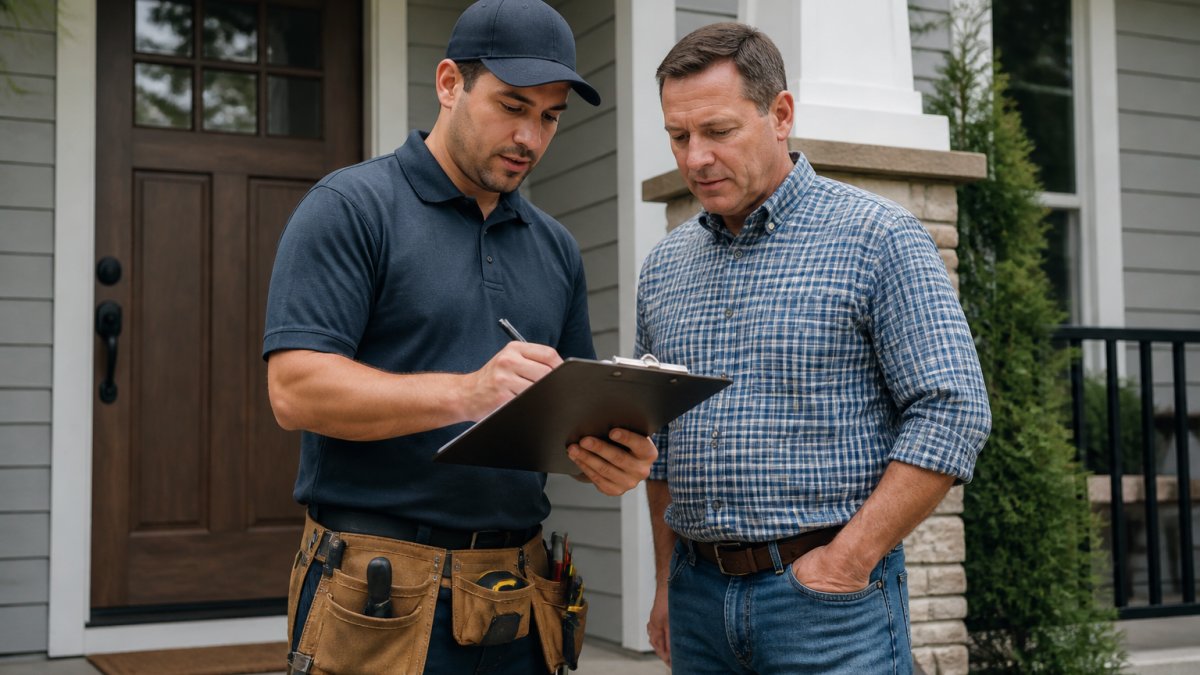
With multiple estimates, you're comparing approach and scope, not just price.
What to compare:
- Detailed description of work to be done
- Materials specified (brand, quality, specifications)
- Timeline and scheduling
- Permits and inspections included
Red flags in estimates:
- Vague descriptions of work
- Unusually low prices compared to others
- Pressure to decide immediately
- Unwillingness to provide written estimates
A detailed estimate shows the contractor understands the problem and has thought through the solution.
Ask contractors to explain differences between estimates.
Before signing a contract:
- Confirm the scope of work in writing
- Understand what happens if unexpected problems are discovered
- Clarify payment terms and schedule
- Confirm timeline and scheduling
A written contract protects both parties, prevents misunderstandings, and gives you recourse if work isn't completed as promised.
Knowing which repairs require professional help is the foundation of responsible homeownership.
Frequently Asked Questions
Which home repairs are most dangerous to do yourself?
Electrical work, gas line repairs, roof work, and structural foundation repairs carry the highest injury and property damage risks. Electrical work can cause electrocution or fire. Gas line repairs risk gas leaks and explosions. Roofing involves fall hazards, and foundation work requires specialized knowledge to avoid collapse. Licensed contractors carry proper insurance and follow safety codes that protect you and your home.
When should I call a professional for home repairs instead of attempting DIY?
Call a professional when the repair involves electrical systems, plumbing behind walls, gas lines, structural elements, roofing, or HVAC equipment. Also call a professional if you lack the specific tools, training, or experience, if the repair requires permits or inspections, or if you're unsure about the scope. Most homeowners should hire professionals for any repair that affects safety systems or requires code compliance.
How much do professional home repairs typically cost?
Repair costs vary widely based on the type of work, materials needed, severity, and your location. Factors affecting estimates include labor time, material quality, permit requirements, and whether hidden damage is discovered. Request quotes from licensed contractors to understand pricing for your specific repair needs.
What should I look for when hiring a contractor for major home repairs?
Verify the contractor is licensed, insured, and bonded in your state. Ask for references from recent clients and check online reviews. Request a written estimate that details the scope of work, materials, timeline, and warranty. Ensure they explain what permits or inspections are needed. Compare multiple bids and avoid contractors who demand full payment upfront. A reliable contractor will answer questions clearly and provide documentation of their credentials.