 how-to
How to Handle Hidden Problems During Repairs
Table of Contents
- How to Handle Hidden Problems During Repairs: A Step-by-Step Triage Process
- How to Document Home Repair Damage the Right Way
- Prioritizing Urgent Home Repairs: What Stops Work and What Waits
- When to Stop Work and Call a Licensed Specialist
- The Home Repair Change Order: Managing Scope Changes and Contractor Disputes
- Building a Renovation Contingency Budget That Absorbs Surprises
- Insurance Claims and Coverage Implications for Unexpected Repairs
- Frequently Asked Questions
Last Updated: October 19, 2026
How to Handle Hidden Problems During Repairs: A Step-by-Step Triage Process
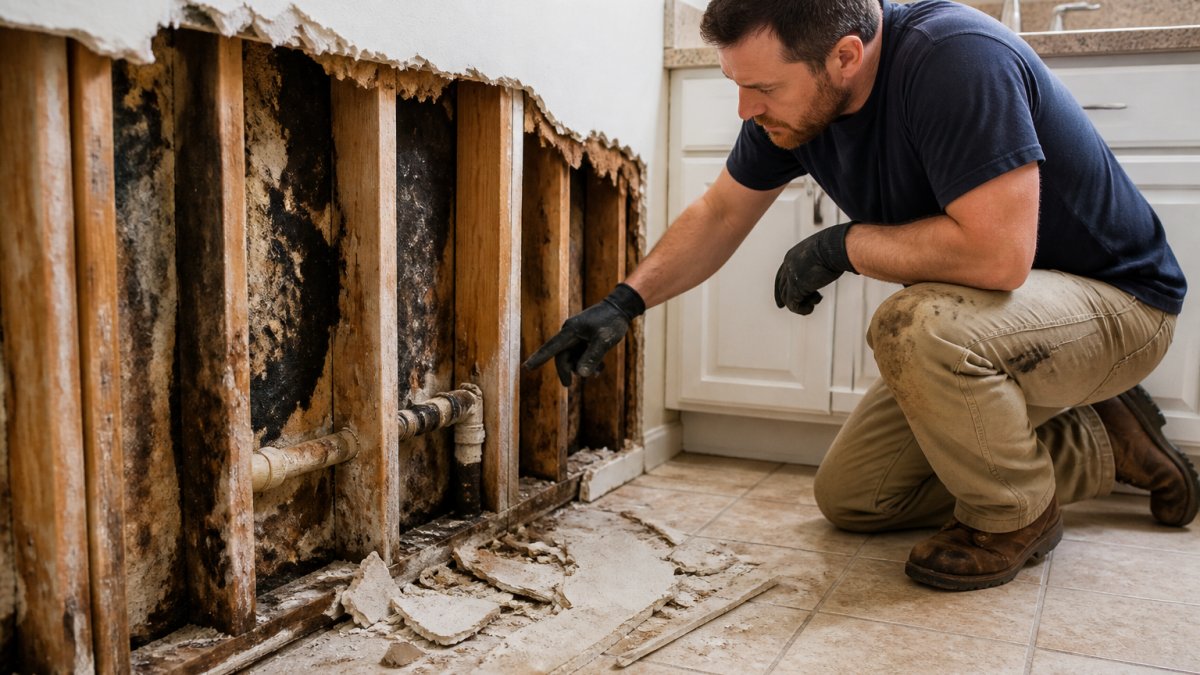
Hidden problems during repairs are unexpected issues found after work starts, like rotted framing behind drywall or a slow leak under a floor. This guide shows you how to triage them fast, safely, and without blowing your budget.
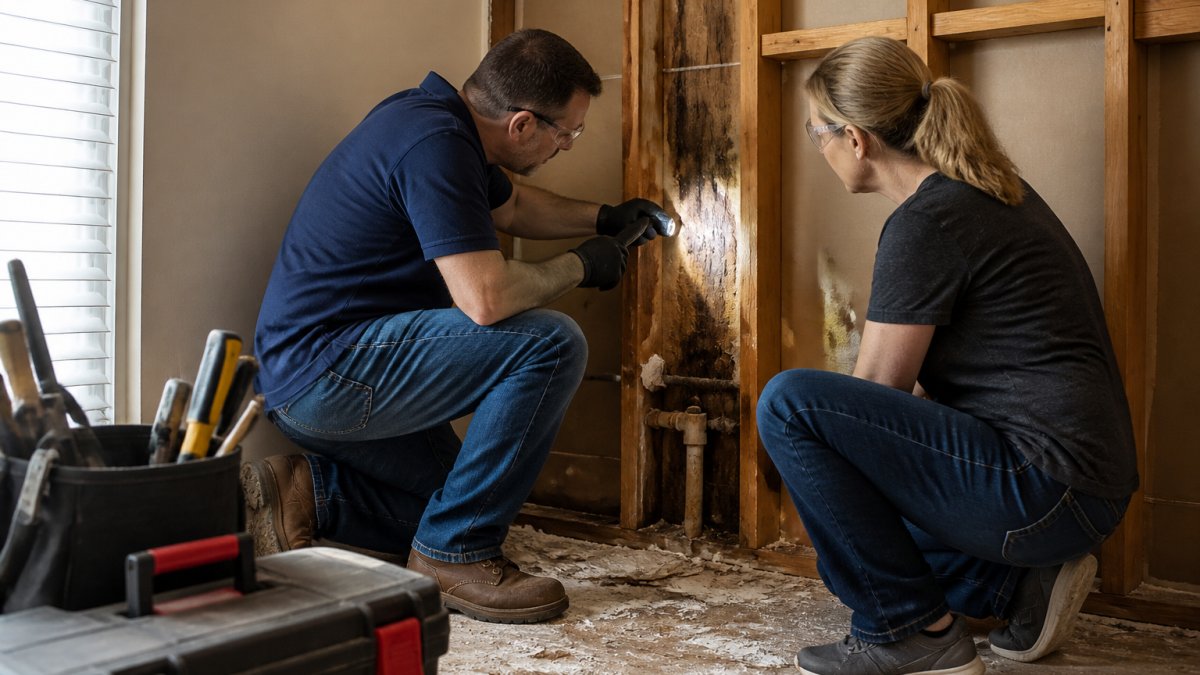
Homeowners who stay calm and follow a clear process spend far less than those who panic and make rushed calls.
Here are the exact triage steps to use on every job.
What counts as a hidden problem?
A hidden problem is any defect that wasn't visible during the initial inspection and only shows up once walls, floors, or fixtures are opened. Common examples include water damage, bad wiring, and soft subfloor.
The 5-step triage process
Follow these steps the moment something unexpected turns up:
- Stop and secure the area. Turn off power or water if there's any risk.
- Photograph everything before anyone touches it.
- Assess severity. Is it a safety hazard or a cosmetic issue?
- Notify the right people. Owner, contractor, and insurer as needed.
- Get a written plan and price before work resumes.
How to Document Home Repair Damage the Right Way
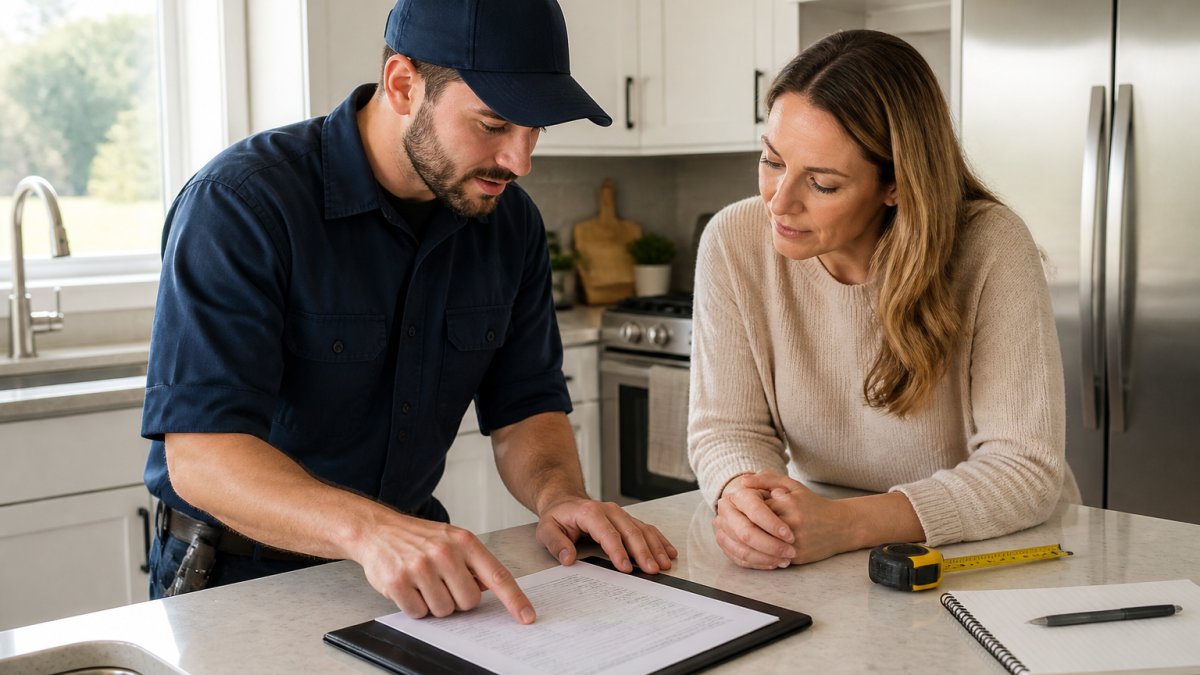
Documentation is your best protection when unexpected repairs surface. Good records settle disputes, support insurance claims, and keep everyone honest about what was found and when.
Here's how to document home repair damage properly:
- Shoot wide, then close. One wide shot to show location, one close-up for detail.
- Record the date, time, and who found it.
- Keep a written log of every conversation with your contractor.
Photograph the moment you find it, the area may be covered up or cleaned by day's end.
Prioritizing Urgent Home Repairs: What Stops Work and What Waits
Not every surprise is an emergency. Prioritizing urgent home repairs means separating true safety risks from issues that can wait.
Stop work immediately for these:
- Exposed live wiring or a burning smell
- Active water leaks or flooding
- Structural issues like sagging beams or cracked joists
These can usually wait for a scheduled fix:
- Cosmetic cracks in plaster
- Worn weather stripping
- A single loose floorboard
Stopping work for a cosmetic issue wastes time; ignoring a real hazard risks lives.
When to Stop Work and Call a Licensed Specialist
Some problems are beyond a general repair crew. Knowing when to stop work and call a licensed specialist protects you legally and keeps everyone safe. Run the same sequence every time so nobody improvises on the clock.
The stop-work sequence
Run these steps in order the moment a problem looks like it may be out of the general crew's lane:
- Call a verbal stop on the affected area only. You rarely need to shut down the whole job. Pause the room, the circuit, or the system in question so the rest of the project keeps moving.
- Make the area safe before you investigate. Kill the breaker at the panel and tag it. Shut the supply valve and open a downstream faucet to confirm it's off. If you smell gas, leave the building, don't flip switches, and call the gas utility's emergency line from outside.
- Photograph and note the condition before anyone probes further. Poking at damaged framing or disturbed suspect material can spread contamination or turn a stable condition into a collapse.
- Classify the hazard using the table below, then call the right trade.
- Get the specialist's written finding, a short scope, a photo set, and a price, before general work resumes in that area.
- Update the schedule and the change order (see the change-order section) so the pause is documented and priced.
Hazard-by-hazard escalation guide
| What you found | Stop work? | Who to call | What to do while work is paused |
|---|---|---|---|
| Burning smell, scorched wiring, exposed live conductors | Yes, immediately | Licensed electrician; utility if the service entrance is involved | Kill the breaker, tag it, keep the area clear |
| Gas odor, damaged gas line, disconnected vent | Yes, immediately | Gas utility emergency line, then a licensed plumber or HVAC contractor | Evacuate, ventilate only by opening doors from outside, no switches or flames |
| Sagging beam, cracked joist, bowed wall, separated framing | Yes | Licensed structural engineer, then a contractor to implement the fix | Shore or barricade the area; don't load the floor above |
| Active water intrusion, sewage backup, wet framing | Yes for the wet area | Licensed plumber for the source; water-mitigation pro for drying | Stop the source, extract standing water, start drying, document moisture readings |
| Suspected asbestos in older flooring, insulation, or joint compound | Yes | Licensed asbestos inspector or abatement contractor | Don't disturb, sweep, or vacuum the material; seal the room |
| Suspected mold over roughly 10 square feet | Yes | Licensed mold assessor or remediator | Fix the moisture source first; don't dry-sweep or run fans across the growth |
| Cracked heat exchanger, CO alarm, damaged flue | Yes | Licensed HVAC contractor; fire department if CO is elevated | Ventilate, leave the building if anyone has symptoms |
Who is allowed to do the work
Licensing and permit rules vary by state and locality. Electrical, gas, plumbing, and structural work almost always require a licensed contractor and a permit, and many jurisdictions require the permit holder to be the licensed party.
A good contractor will tell you when a job is out of their lane and put the stop in writing. If yours pushes to keep going, that's a red flag, unlicensed work can complicate your insurance claim or your ability to sell later.
The Home Repair Change Order: Managing Scope Changes and Contractor Disputes
A home repair change order is a written amendment to the original contract listing new work, added cost, and revised timeline. It's the best tool for managing scope changes and avoiding disputes, but only if written and approved in the right order. Most disputes trace back to a verbal "go ahead" that was never papered.
The change-order workflow
Run this sequence every time a hidden problem turns into added work:
- Get a written finding first. Before any price is discussed, get a short written description of what was found, with photos and a recommendation.
- Get the price broken into labor, materials, and time. A single lump sum hides markup and makes comparison impossible. Ask for the added days on the schedule separately from the added dollars.
- Decide whether to approve, decline, or get a second bid. For anything above a threshold you set in advance, get a second written estimate before signing.
- Sign the change order before work resumes. No signature, no work, no money. This is the rule that prevents most budget blowups.
- Log it against the original contract. Keep a running total of original contract plus all approved change orders so you always know your true project cost.
- Update the payment schedule and the completion date in writing, not verbally.
What every change order should contain
- A clear description of the added work, tied to the written finding and photos
- The added cost, broken into labor and materials
- The added time and the revised completion date
Pricing mechanics to watch
Three patterns cause most change-order disputes:
- Time-and-materials versus fixed price. Time-and-materials bills you for hours and materials as they occur; fixed price locks the number. For hidden problems where the scope is uncertain, ask for a not-to-exceed cap on time-and-materials so the number can't run away.
- Markup on materials. Contractors commonly add a markup to materials they supply. Ask what the markup is before you approve, and whether you can supply the materials yourself to avoid it.
- Overlap with the original scope. If the original contract already covered "repair of damaged subfloor," a change order for the same work is double-billing. Compare the new scope line-by-line against the original before you sign.
Resolving a dispute with your contractor
If you and your contractor disagree about coverage, cost, or workmanship, work through these steps:
- Put your concern in writing, email is fine, with photos and a reference to the contract clause or change order at issue.
- Request a written response within a set time, such as five business days.
- Propose a specific remedy (redo the work, credit the difference, or split the cost) rather than a general complaint.
- Escalate to the contractor's license board if the dispute involves licensing, permits, or workmanship standards. Most states have a consumer complaint process through the board that issues the license.
- Use your state's consumer protection office for deceptive-practice complaints. The FTC's consumer guidance on home repair explains common home-improvement scams and how to report them.
- Consider mediation before litigation. Many contracts include a mediation clause; small-claims court is often the practical route for smaller dollar disputes.
Who does what, by role
- Homeowners: approve or decline in writing, keep the running cost log, and never pay for added work before it's documented.
- Buyers under contract: route change orders through your agent and the seller's written approval; don't let a contractor bill you directly for work the seller agreed to cover.
- Landlords: a change order above your repair authority threshold usually needs owner sign-off; document the tenant notice separately.
Building a Renovation Contingency Budget That Absorbs Surprises
A renovation contingency budget is money set aside before work begins to cover unexpected repairs. Without one, every hidden problem becomes a financial emergency.
Many contractors recommend a reserve of 10% to 20% of project cost, with older homes and bigger projects at the higher end.
Here's a simple way to think about it:
| Project Type | Suggested Reserve | Why |
|---|---|---|
| Cosmetic refresh | Lower end | Fewer surprises behind walls |
| Bathroom or kitchen remodel | Middle | Plumbing and wiring often hide issues |
| Older home, major repairs | Higher end | Age means more hidden damage |
Build this reserve in from day one, and a surprise becomes an inconvenience, not a crisis.
Insurance Claims and Coverage Implications for Unexpected Repairs
Homeowners insurance may cover some unexpected repairs, but not all. Knowing the difference before you file saves time and frustration.
Coverage often applies to:
- Sudden water damage from a burst pipe
- Storm damage to the roof or exterior
- Fire or smoke damage
Coverage usually excludes:
- Long-term neglect or slow leaks
- Normal wear and tear
- Poor workmanship from a past job
Document everything and call your insurer early. The FTC's consumer guidance on home repair offers useful tips on protecting yourself during repair projects.
For building code and permit questions, your local building department is the authority. The U.S. Department of Housing and Urban Development also publishes homeowner resources worth reviewing.
Reliable Repair ATL LLC documents every hidden problem found and walks you through the options before any extra work begins.
Frequently Asked Questions
What should I do when a contractor finds hidden damage during repairs?
Stop and get it in writing before more work continues. Ask the contractor to photograph the area, describe the cause in plain terms, and issue a written change order with the added scope and cost. Compare that against your renovation contingency budget, and if the find involves structure, electrical, gas, or mold, bring in a licensed specialist for a second opinion. Never approve verbal add-ons; a documented change order protects both sides if a dispute arises later.
How can I tell whether newly discovered damage needs immediate attention?
Prioritize anything that threatens safety or causes ongoing damage: active water leaks, compromised load-bearing framing, exposed wiring, gas odors, or sagging floors. These are urgent home repairs that should stop work until resolved. Cosmetic issues, minor rot in trim, or old patching can usually wait for scheduling. When you document home repair damage, note whether the problem is active or dormant, since that distinction drives both urgency and insurance decisions.
How do I keep unexpected repair costs from exceeding my budget?
Set a renovation contingency budget before work starts, typically a reserve held separately from the main contract, and treat it as untouchable for planned items. When hidden problems surface, price the fix through a home repair change order and draw only from that reserve. If the reserve runs low, pause non-critical scope rather than borrowing from other line items. This keeps the overall project funded and prevents the spiral of surprise charges that derails most remodels.
Should I get a second opinion before approving additional repair work?
Yes, for any find above a few hundred dollars or involving structural, electrical, or moisture issues. A second licensed opinion confirms whether the proposed scope is necessary and fairly priced. It also gives you documentation if you later need to pursue an insurance claim or dispute a charge. For small, obvious fixes, a clear photo and written change order are usually enough, but larger discoveries deserve independent verification before you sign.
Hidden problems during repairs are stressful, but they don't have to derail your project. A calm triage process, solid documentation, and a written change order keep you in control.
When a surprise turns up, you need a team that shows up, explains the issue clearly, and never adds surprise charges. Reliable Repair ATL LLC offers same-day service, monthly maintenance plans, and full repair and remodeling support. Request your free quote today and get your project back on track.