 ultimate-guide
Hiring Professional Contractors for Bathroom Upgrades: A 2026 Guide
Table of Contents
- What to Look for When Hiring Professional Contractors
- Questions to Ask a Bathroom Remodeling Contractor Before You Hire
- Bathroom Remodeling Contractor Checklist: Credentials and Verification
- How to Compare Bathroom Remodeling Estimates and Proposals
- Understanding Bathroom Renovation Timeline and Project Scope
- Contracts, Payment Schedules, and Change Orders
- Permits, Building Codes, and Inspections for Bathroom Work
- Common Mistakes to Avoid When Hiring Contractors
- Frequently Asked Questions
Last Updated: October 10, 2026
What to Look for When Hiring Professional Contractors
Finding the right professional contractor for your bathroom upgrade determines whether your project succeeds or becomes costly.
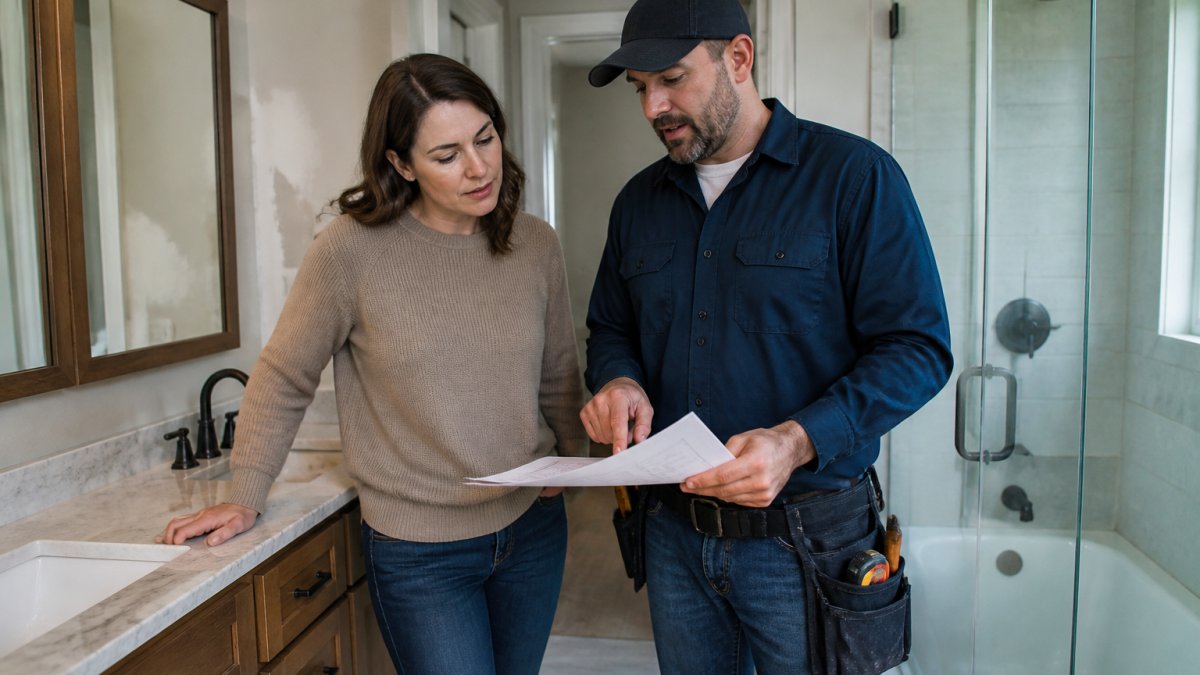
When evaluating candidates for hiring professional contractors, identify what type of specialist you need. A full bathroom remodel requires different expertise than a shower upgrade or vanity installation.
Look for contractors who ask detailed questions before quoting. Red flags include estimates over the phone without seeing your space or contractors who seem rushed to move to the next client.
Verify licensing and insurance, this protects both you and the contractor. A legitimate professional contractor provides proof of current credentials without hesitation.
Questions to Ask a Bathroom Remodeling Contractor Before You Hire
The right questions reveal whether a bathroom remodeling contractor has the depth of experience your project demands and whether they're a fit for your home.
Ask: "How many full bathroom remodels have you completed in the last three years?" A contractor claiming dozens should name recent clients and describe variations.
Ask about their design consultation approach, whether they handle permits, and if they provide written estimates and timelines with contingency language.
Ask about team structure and whether the same crew shows up consistently. Contractors who maintain stable crews deliver more consistent quality.
Ask for their payment schedule policy. A reasonable structure is 30-50% upfront, progress payments at milestones, and final payment upon completion. Be suspicious of contractors demanding full payment upfront or cash-only transactions.
Bathroom Remodeling Contractor Checklist: Credentials and Verification
Before signing anything, complete this verification checklist. This step separates serious homeowners from those who learn expensive lessons later.
Licensing and Insurance
Verify licensing through your state's contractor licensing board searchable database. A licensed professional contractor has met baseline competency standards. Unlicensed contractors cost homeowners thousands annually in damage and rework.
Request proof of general liability insurance and workers' compensation coverage. Ask for certificates listing you as an additional insured. A legitimate contractor provides these without defensiveness.
Ask whether the contractor carries bonding, a financial guarantee they'll complete the work. If they abandon the project, you can claim against the bond to cover completion costs.
References and Reviews
Request at least three references from bathroom remodeling projects completed within the last 18 months. Call directly and ask: Did the project finish on time? Were there cost overruns? How responsive was the contractor? Would you hire them again?
Check online reviews on Google, Yelp, and the Better Business Bureau. Look for patterns, not isolated complaints. Repeated complaints about missed deadlines, poor communication, or hidden charges signal real problems. Be wary of contractors with no online presence or exclusively generic positive reviews.
Ask the contractor about negative reviews. A professional contractor acknowledges legitimate complaints. Defensiveness is a warning sign.
How to Compare Bathroom Remodeling Estimates and Proposals
You'll likely receive multiple estimates. Comparing them properly requires understanding what's included and recognizing which proposals are realistic versus suspiciously low or vague.
What Should Be Included in an Estimate
A detailed estimate lists every material, labor cost, and service separately with line items for demolition, plumbing, electrical, tile, vanity, painting, and other work. Vague estimates that lump costs together hide what you're paying for.
The estimate should specify material brands and grades. "Tile" is meaningless, you need ceramic, porcelain, or natural stone with manufacturer. "Paint" should specify brand and finish. Specified materials let you verify pricing and understand quality.
A professional estimate includes a timeline with start and end dates plus major milestones. It should note permit responsibility and clarify how unexpected issues trigger cost adjustments and notifications.
Red Flags in Pricing and Proposals
A price significantly lower than competing estimates often means the contractor is cutting corners, underestimating the work, or planning to hit you with change orders later. Request a detailed breakdown of how they arrived at their price. If they can't explain it clearly, that's a problem.
Proposals with vague language like "materials as needed" or "labor contingent on site conditions" are setting you up for surprise charges. Legitimate contractors specify what's included and what triggers additional costs. If the estimate doesn't mention permits, inspections, or contingency buffers, ask why. These aren't optional, they're standard.
Watch for estimates that seem to exclude obvious work. A bathroom remodel that doesn't mention electrical or plumbing upgrades is incomplete. If three contractors quote substantially different scopes, ask each one why.
Understanding Bathroom Renovation Timeline and Project Scope
Realistic expectations about duration and disruption prevent frustration and conflict. Most homeowners underestimate how long bathroom work takes and how disruptive it is to live through construction.
Realistic Duration for Full Remodels and Partial Upgrades
A full bathroom remodel typically takes 6-10 weeks for a standard-sized bathroom, assuming no major unexpected issues. This includes demolition, framing adjustments if needed, plumbing and electrical rough-in, drywall, tile work, fixture installation, and finishing.
Partial upgrades move faster. A shower remodeling project might take 2-3 weeks. Vanity and sink installation alone usually takes 3-5 days. These timelines assume the contractor has you as their only active project and no permits are delayed. In reality, most contractors juggle multiple projects, which extends your timeline.
Ask your contractor for a detailed schedule, not just a start and end date. You want to know when major phases occur, when they'll shut off water, when electrical work happens, when the bathroom becomes unusable. This lets you plan around the disruption.
Planning for Delays and Unexpected Issues
Delays happen. Materials get backordered. Inspectors find code violations. Once walls are opened, hidden problems emerge, rotted framing, outdated wiring, plumbing that needs replacement. Budget 2-3 extra weeks into your timeline as a buffer, and discuss with the contractor in advance how unexpected issues will be handled.
The contract should specify a process for change orders. If the contractor discovers something requiring additional work, they should notify you before proceeding, provide a written cost estimate for the additional work, and get your approval. Never allow a contractor to make substantial changes without documented agreement.
Ask whether the contractor has experienced delays with building inspectors in your area. Some jurisdictions are faster than others. A local contractor knows typical inspection timelines and can plan accordingly.
Contracts, Payment Schedules, and Change Orders
A written contract protects both you and the contractor. Never hire someone without one, regardless of how trustworthy they seem or how small the project.
Your contract should specify the project scope, materials, timeline, and total cost. It should outline the payment schedule, how much is due when.
The contract must include a change order process. This is how you handle unexpected costs.
Include dispute resolution language. If disagreements arise, how will you resolve them? Some contracts specify mediation before legal action. Others include arbitration clauses. Understand these terms before signing.
Ask about warranty coverage. Most contractors warrant their workmanship for one year. Materials typically carry manufacturer warranties. The contract should specify what's covered and how warranty claims are handled.
Permits, Building Codes, and Inspections for Bathroom Work
Permits exist to protect you. They ensure work meets safety standards and is documented for future resale. Skipping permits to save money creates serious problems.
Most bathroom remodeling work requires permits. Plumbing changes, electrical upgrades, structural modifications, and major fixture installations all typically need permits. Your contractor should handle the permit application and coordinate inspections.
Building codes govern bathroom work. Ventilation must meet specific standards, bathrooms need exhaust fans sized appropriately for the room. Plumbing must be installed to code. Electrical work must meet current safety standards. Tile work in wet areas requires proper waterproofing.
Inspections happen at key stages. Rough-in inspections verify plumbing and electrical work before walls are closed. Final inspections confirm the completed project meets code. Your contractor should schedule these and be present.
Common Mistakes to Avoid When Hiring Contractors
Learning from others' expensive errors helps you navigate hiring professional contractors successfully. The most common mistake is choosing based on price alone.
Another frequent error is hiring without verifying credentials. Unlicensed contractors, those without proper insurance, or those with disciplinary histories create massive liability for you.
Many homeowners fail to get decisions in writing.
Choosing a contractor who won't commit to a written timeline is risky.
Finally, avoid contractors who demand full payment upfront or won't provide references. These are strong indicators of someone operating outside normal professional standards.
At Reliable Repair ATL LLC, we understand that hiring professional contractors requires careful evaluation.
Bathroom upgrades transform your home's functionality and value, but only when executed by contractors who combine skill with reliability.
Frequently Asked Questions
What red flags should I watch for when hiring a professional contractor for bathroom upgrades?
Avoid contractors who request full payment upfront, won't provide written estimates, lack proper licensing or insurance, or pressure you into decisions quickly. Legitimate professionals offer detailed proposals, references from recent projects, and payment schedules tied to project milestones. If a contractor avoids questions or won't provide their license number, move on. Trust your instincts, reliability means clear communication and transparency about costs and timelines.
How many estimates should I get before hiring a bathroom remodeling contractor?
Get at least three estimates from different contractors. This gives you a realistic range of pricing and approaches. When comparing bathroom remodeling estimates, look for consistency in scope and materials, but don't automatically choose the lowest bid. The cheapest option often means corners cut on quality or hidden costs later. Use estimates to understand what different contractors prioritize, some may offer design-build services, others focus on labor efficiency.
What questions should I ask a bathroom remodeling contractor during the initial consultation?
Ask about their experience with projects similar to yours, timeline expectations, how they handle unexpected issues, warranty terms, and payment schedule. Request references from homeowners with comparable projects completed in the last two years. Ask whether they handle permits or if that's your responsibility. Clarify what happens if costs exceed the estimate, and confirm their licensing and insurance details. Understanding their process for managing change orders prevents surprises mid-project.
How long does a typical bathroom renovation take?
A full bathroom remodel typically takes 4-8 weeks, depending on scope. Simple upgrades like vanity or fixture replacement may take 1-2 weeks. Larger projects involving structural changes, plumbing, or electrical work take longer. Budget extra time for permit approval, which can add 2-4 weeks. Delays from unexpected issues, hidden mold, outdated plumbing, structural damage, are common in older homes. Your contractor should provide a realistic bathroom renovation timeline upfront and explain potential variables.
Do I need permits for a bathroom upgrade, and who is responsible for obtaining them?
Most bathroom renovations require permits from your local building department. Work involving plumbing, electrical, structural changes, or significant fixture upgrades almost always needs a permit. Some contractors include permit costs in their estimates; others pass the cost to you. Confirm this in your contract. Permits ensure work meets building codes and safety standards. Skipping permits can cause problems when selling your home or filing insurance claims. A professional contractor will handle the process or clearly explain your responsibility.
What should a bathroom remodeling contract include to protect me?
A solid contract specifies the project scope, materials, start and completion dates, total cost, payment schedule, warranty terms, and what happens with change orders. It should list the contractor's license number and insurance details. Include a clause addressing unexpected issues and how they'll be handled. Confirm who obtains permits and pays for them. The contract should state the contractor's responsibility for cleanup and final inspection. Never sign a contract with blank fields or vague language about costs and timelines.
How can I verify a contractor's licensing and insurance before hiring?
Ask for the contractor's license number and verify it with your state's licensing board or relevant regulatory agency. Request proof of general liability insurance and workers' compensation coverage. Contact their insurance provider directly to confirm active policies, don't rely on documents alone. Check online reviews and the Better Business Bureau for complaints. Ask for references from recent clients and actually call them to ask about professionalism, reliability, and final costs. A legitimate contractor welcomes verification and provides documentation without hesitation.
What's typically included in a full bathroom remodel versus a partial upgrade?
A full bathroom remodel replaces or updates flooring, walls, fixtures, lighting, plumbing, and ventilation. A partial upgrade might involve replacing the vanity, shower, or bathtub while keeping existing layouts and infrastructure. Full remodels cost more and take longer but offer a chance to address code violations, improve functionality, and add modern features. Upgrades are faster and less disruptive but work within existing constraints. Discuss with your contractor which approach fits your budget, timeline, and goals.