 ultimate-guide
Hiring Local Contractors for Exterior Renovations: A 2026 Guide
Table of Contents
- Why Hiring Local Contractors for Exterior Renovations Matters
- Questions to Ask a Contractor Before Hiring
- Creating an Exterior Renovation Contractor Checklist
- How to Compare Contractor Estimates
- What to Include in a Home Improvement Contract
- Exterior Renovation Services: Siding, Roofing, Windows, and Doors
- Managing the Project and Protecting Your Investment
- Frequently Asked Questions
Last Updated: October 18, 2026
Why Hiring Local Contractors for Exterior Renovations Matters
Hiring local contractors for exterior renovations is one of the most important decisions a homeowner makes.
Local contractors understand regional weather patterns, building codes, and material performance in your climate. They have skin in the game, their reputation depends on repeat business and referrals within your community.
The stakes are high. Exterior renovations are visible, expensive, and affect your home's protection and curb appeal. Homeowners can lose thousands because they chose a contractor based on price alone, only to face abandoned projects or shoddy workmanship.
Questions to Ask a Contractor Before Hiring
The questions you ask reveal whether a contractor is thorough, professional, and trustworthy. Generic answers are a red flag. Specific, detailed responses suggest someone who takes their work seriously.
Licensing, Insurance, and Bonding
Ask for proof of current state contractor licensing and verify it independently. In most states, contractors must be licensed to perform work above a certain dollar threshold.
A contractor who hesitates to provide these documents or claims they're "not necessary" for your project is not someone you want inside your home. Licensing protects you legally.
Ask directly: "If something goes wrong during this project, someone gets hurt, or the work isn't finished, what protection do I have?" A professional contractor will walk you through their insurance coverage and explain what each policy covers.
Project Experience and References
Ask how many years the contractor has been in business and specifically how many projects like yours they've completed. A contractor with 20 years in roofing but only two deck projects is overconfident outside their specialty.
Request at least three references from projects completed in the past two years. Call these references. Ask specific questions: Did the contractor show up on schedule? Were there unexpected costs? How did they handle problems?
Visit a completed project if possible. See how the work looks, how the details are finished, and whether it matches the contractor's promises.
Timeline, Payment Terms, and Warranty
Ask for a realistic project timeline with start and end dates. Weather delays happen, but a contractor should account for this in their estimate. Ask about their payment schedule.
Never pay the full amount upfront. Never pay cash without a receipt. Ask what warranty covers the work, labor, materials, or both, and for how long. A one-year warranty on labor is standard. Materials warranties vary by product.
A contractor who demands 100% payment before starting work or refuses to put terms in writing is a significant risk.
Creating an Exterior Renovation Contractor Checklist
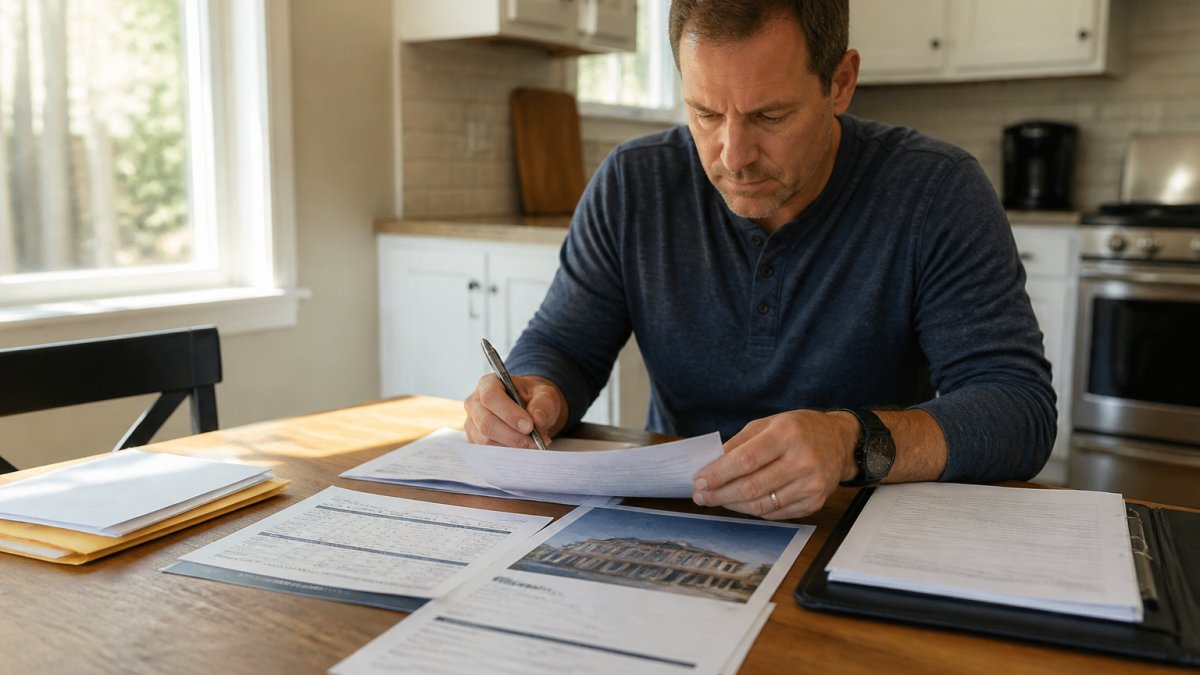
A contractor checklist keeps you organized and ensures you don't overlook critical details. Use this as your vetting framework before you sign anything.
Red Flags to Watch For
Stop evaluating a contractor immediately if you notice these patterns:
A contractor who won't provide written estimates or puts vague descriptions like "exterior work" instead of specific scope details. Vague estimates lead to scope creep and disputes.
Pressure to decide quickly or threats that they're "only available this week." Legitimate contractors have full schedules and can discuss your timeline professionally without urgency tactics.
Extremely low bids compared to others. This often signals cut corners, inexperience, or intent to add charges later. Get multiple estimates, but be skeptical of outliers on the low end.
No clear communication. If a contractor doesn't return calls, avoids your questions, or is evasive about details, these traits will worsen once work begins.
Unwillingness to discuss payment schedules or warranty in writing. Professional contractors document everything.
Verification Steps Before Signing
Before you hire a contractor, complete these verification steps:
Check licensing status directly with your state's contractor licensing board. Search by contractor name and license number. Verify the license is active and in good standing with no disciplinary actions.
Contact your local building department. Ask if this contractor has pulled permits for recent projects in your area. Ask if any complaints have been filed.
Search online for reviews on Google, Yelp, and the Better Business Bureau. Look for patterns in feedback, not isolated complaints.
Request proof of insurance and verify the policy is active by contacting the insurance company directly if needed. Don't just accept a copy, verify it's real.
Get everything in writing: estimate, timeline, payment schedule, scope of work, warranty, and contractor contact information. Never rely on verbal agreements.
How to Compare Contractor Estimates
You should receive at least two or three estimates for any exterior renovation project. Comparing them properly means looking beyond the bottom-line price.
Understanding Scope and Materials
The most common mistake homeowners make is comparing total price without understanding what's included. Two estimates at different prices might actually be for different work.
Request that each estimate break down the scope clearly: What materials are specified? What preparation work is included? What cleanup and disposal are included?
Ask whether the price includes removing and disposing of old materials. Disposal costs vary significantly. Some contractors include this; others bill it separately.
Cost Breakdown and Hidden Charges
A professional estimate itemizes labor, materials, permits, and any other costs separately. This transparency lets you compare apples to apples.
If an estimate is vague, "labor and materials: $8,000", ask for a detailed breakdown. A contractor who resists this is hiding something or hasn't thought through the project carefully.
Ask about potential additional costs: What if hidden damage is discovered during the project? How are change orders handled? What happens if material prices increase?
Compare not just price but timeline and warranty. A lower price with a six-month warranty is different from a higher price with a two-year warranty.
What to Include in a Home Improvement Contract
A written contract protects both you and the contractor. It prevents misunderstandings and gives you recourse if something goes wrong.
Scope of Work and Project Specifications
The contract must clearly describe what work is being performed. Include specific materials, colors, brands, and finishes. If the project involves siding, specify the type, color, and brand. If it's roofing, specify shingle type, warranty, and underlayment.
Include the project address, start date, and estimated completion date. Specify whether weather delays extend the timeline or whether delays beyond a certain number of days allow either party to renegotiate.
Detail what preparation work is included, removal of old materials, site cleanup, disposal. Specify what the contractor will and won't do. This prevents disputes about scope creep.
Payment Schedule and Dispute Resolution
The contract should specify the total project cost, deposit amount, and payment schedule.
Never agree to pay the full amount before work begins.
Include a clause for dispute resolution. How will disagreements about quality, timeline, or cost be handled? Some contracts include mediation or arbitration clauses.
Specify the warranty period and what it covers. Is it labor only or materials too? How long does it last?
Include the contractor's contact information, insurance details, and license number. This information should be on the contract so you have it documented.
Exterior Renovation Services: Siding, Roofing, Windows, and Doors
Different exterior renovation projects have different requirements.
Siding replacement involves removing old siding and installing new material, vinyl, fiber cement, wood, or metal.
Roofing is among the highest-risk exterior projects. A leaking roof causes interior damage quickly.
Window replacement requires precision and proper flashing to prevent water leaks.
Doors and entryways involve both structural and aesthetic considerations. Exterior doors must be properly sealed and flashed.
For any of these services, verify the contractor has completed similar projects and can provide references specific to that work type.
Managing the Project and Protecting Your Investment
Once work begins, your role shifts from vetting to oversight. Active management protects your investment and catches problems early.
Communication and Progress Tracking
Establish a communication schedule with your contractor. How often will you receive updates? How will you report concerns? Most contractors appreciate a daily check-in during active work phases.
Take photos of the work at each stage. Document the condition before work starts, during key phases, and after completion.
Ask the contractor to explain what's happening at each phase. Understand what work is scheduled for each day. This lets you verify progress and catch delays early.
If you notice something that doesn't match the estimate or contract, raise it immediately. Don't wait until the project is complete.
Final Inspection and Warranty Documentation
Before making the final payment, conduct a thorough inspection. Walk through the completed work with the contractor. Verify it matches the contract specifications.
Request documentation of all work completed, materials used, and permits pulled. Get a copy of any warranties, both labor warranty from the contractor and manufacturer warranties on materials.
Ask the contractor to walk you through any maintenance requirements. How should you care for new siding, roofing, or windows? What maintenance schedule extends their life?
Get the contractor's contact information and warranty details in writing. Store this documentation with your home records.
Choosing the right contractor for your exterior renovation project requires research, verification, and clear communication. At Reliable Repair ATL LLC, we understand that homeowners need contractors they can trust to show up, deliver quality work, and stand behind their results.
Frequently Asked Questions
What red flags should I watch for when hiring local contractors for exterior renovations?
Avoid contractors who demand full payment upfront, won't provide written estimates, lack proper licensing or insurance, refuse to give references, or pressure you to start immediately. Legitimate general contractors welcome verification and provide detailed contracts. If a contractor avoids answering questions about permits or insurance, move on. Trust your instincts, a contractor who won't answer your concerns before work starts will be harder to manage during the project.
How many estimates should I get before hiring an exterior renovation contractor?
Get at least three estimates from different contractors. This gives you a realistic price range and lets you compare not just cost but also scope, materials, timeline, and professionalism. If one estimate is significantly lower than others, ask why, it may indicate lower-quality materials or rushed work. Three estimates take time but protect you from overpaying and help you identify which contractor understands your project best.
What should I check before hiring an exterior renovation contractor?
Verify current licensing through your state's contractor board, confirm they carry liability and workers' compensation insurance, check references from recent exterior projects, review their contract terms, and ask about warranties on workmanship and materials. Request proof of permits for your project type and confirm they follow local building codes. A thorough contractor welcomes these questions and provides documentation without hesitation.
How do I compare contractor bids fairly?
Compare bids side by side using the same project scope. Ensure each estimate lists specific materials, labor costs, timeline, and warranty terms. Don't choose based on price alone, the lowest bid may use inferior materials or cut corners. Look for contractors who provide detailed breakdowns and explain their pricing. A fair comparison considers quality, experience, and the contractor's ability to complete the work on schedule and within budget.
What should an exterior renovation contract include?
Your contract must specify the complete scope of work, materials and brands to be used, start and completion dates, total cost and payment schedule, warranty terms, cleanup and debris removal responsibilities, and procedures for change orders. Include dispute resolution language and ensure the contractor carries adequate insurance. Never sign a contract with blank sections or vague descriptions. A detailed contract protects both you and the contractor.
How much do exterior renovation contractors typically charge?
Costs vary based on project type, materials, and complexity. Siding, roofing, windows, and doors each have different price structures. Rather than guessing, get multiple written estimates from local contractors for your specific project. Request a detailed cost breakdown so you understand what you're paying for. Pricing depends on your location, material choices, and project scope, so always request a free estimate before committing.